
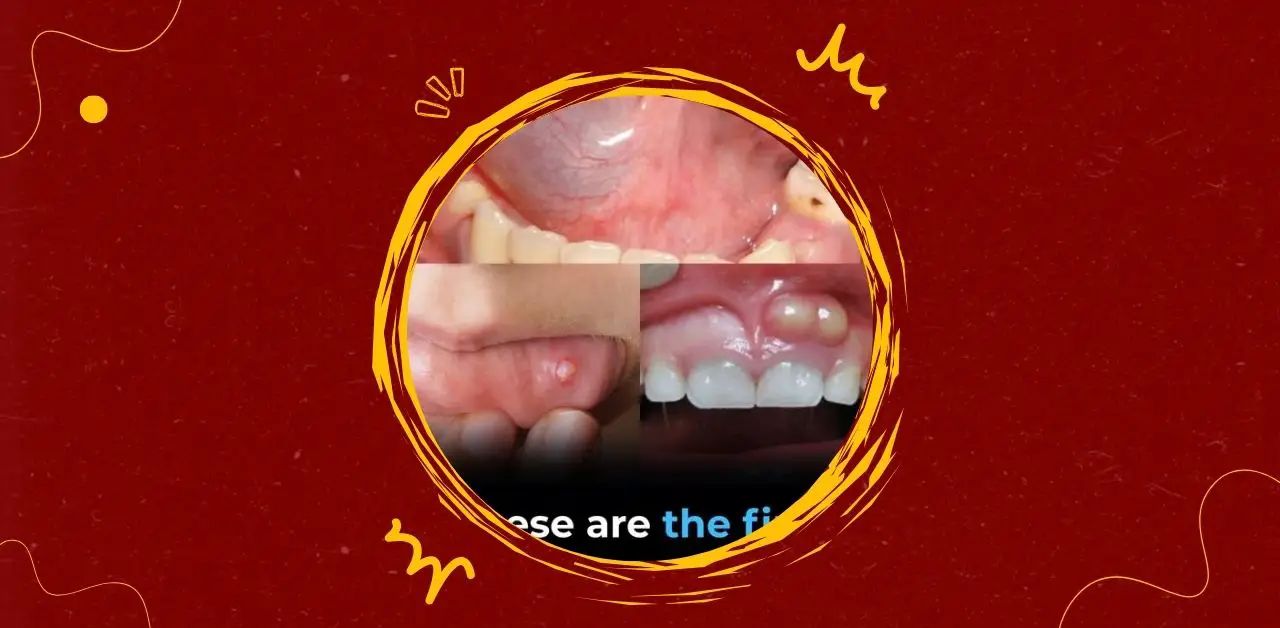
The mouth is often described as a mirror of overall health. Changes such as swelling, redness, bumps, or lesions can be the body’s way of signaling that something needs attention. While many oral issues are minor and temporary, others may point to underlying conditions that require professional care. Recognizing these early symptoms can help prevent complications and maintain long-term wellness.
Common Early Symptoms
- Swelling Under the Tongue or Gums Swelling in these areas may result from irritation, infection, or blocked salivary glands. Sometimes, it can be linked to cysts or stones that obstruct saliva flow. Persistent swelling should be evaluated to rule out more serious causes.
- Raised Lesions or Bumps on the Lips Small bumps can appear due to minor trauma, cold sores, or blocked glands. While many resolve on their own, recurring or painful lesions may indicate viral infections or other conditions that need medical attention.
- Inflamed or Swollen Gums Gum inflammation is often associated with gingivitis, caused by plaque buildup. If left untreated, it can progress to periodontitis, a more serious gum disease that affects the supporting structures of teeth.
Possible Causes
- Infections: Bacterial, viral, or fungal infections can cause redness, swelling, and discomfort.
- Irritation: Sharp foods, ill-fitting dental appliances, or accidental bites may lead to temporary lesions.
- Poor Oral Hygiene: Inadequate brushing and flossing allow plaque and bacteria to accumulate, leading to gum problems.
- Systemic Conditions: Sometimes, oral symptoms reflect broader health issues such as diabetes, nutritional deficiencies, or autoimmune disorders.
When to Seek Professional Care
Not all oral changes are serious, but certain warning signs should prompt a dental or medical evaluation:
- Swelling or lesions that persist beyond two weeks.
- Pain or discomfort interfering with eating or speaking.
- Bleeding gums not linked to brushing or flossing.
- Rapidly growing or changing bumps.
Early diagnosis ensures that any underlying condition is managed before it progresses.
Preventive Measures
- Maintain Oral Hygiene: Brush twice daily, floss regularly, and use mouthwash to reduce bacteria.
- Stay Hydrated: Adequate hydration supports saliva production, which protects oral tissues.
- Balanced Diet: Nutrients like vitamin C, vitamin D, and calcium strengthen gums and teeth.
- Regular Check-ups: Routine dental visits help detect issues early, even before symptoms appear.
- Avoid Irritants: Limit tobacco, alcohol, and overly acidic foods that can damage oral tissues.
Conclusion
Early symptoms in the mouth—such as swelling, bumps, or gum inflammation—are signals worth paying attention to. While many are harmless and temporary, persistent changes can indicate infections or systemic health concerns. By practicing good oral hygiene, maintaining a balanced lifestyle, and seeking timely professional care, you can protect both your oral health and overall well-being. The mouth often speaks before the rest of the body does—listening to its signals is a vital step toward lasting health.