
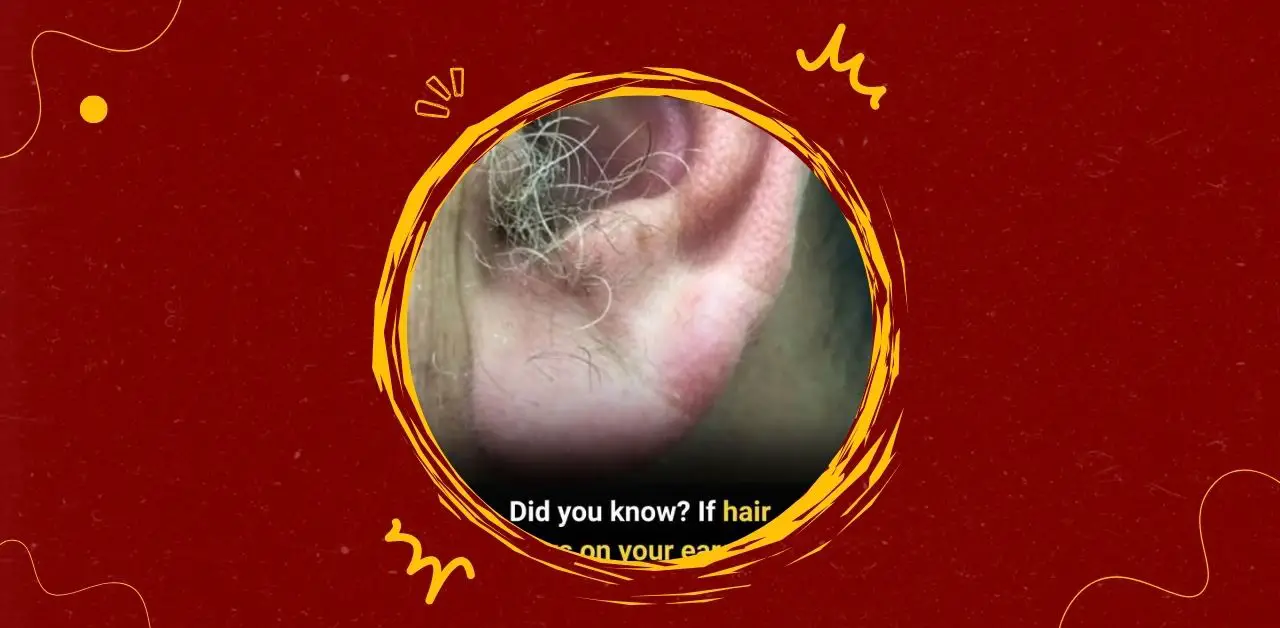
Hair growth in unexpected places, such as the ears, often raises curiosity and sometimes concern. For many individuals, especially older adults, ear hair becomes more noticeable with age. While it may seem unusual, ear hair growth is a natural part of the body’s changes over time. Understanding why it occurs, what it signifies, and how to manage it provides clarity and reassurance.
Why Hair Grows on the Ears
- Hormonal Changes
- As people age, hormone levels shift, particularly testosterone in men.
- Increased sensitivity to these hormones can stimulate hair follicles in areas like the ears, nose, and eyebrows.
- Genetics
- Some individuals are genetically predisposed to ear hair growth.
- If family members also experience it, it is likely a hereditary trait.
- Aging Process
- Ear hair growth is more common in older adults.
- The body’s natural changes in hair distribution often lead to thicker or more visible hair in certain areas.
- Protective Function
- Ear hair may serve a subtle protective role, helping to filter dust and small particles.
- While not essential, it reflects the body’s tendency to adapt over time.
Is Ear Hair a Health Concern?
In most cases, ear hair is harmless and simply a cosmetic issue. It does not indicate illness or disease. However, sudden or excessive growth in unusual areas can sometimes be linked to hormonal imbalances. If accompanied by other symptoms, consulting a healthcare professional is advisable.
Emotional and Social Impact
For many, ear hair can feel embarrassing or affect self-confidence. It is important to remember that this is a common occurrence, especially with aging. Normalizing it as part of the body’s natural changes helps reduce stigma and stress.
Safe Management Options
- Trimming: Use small scissors or electric trimmers designed for facial hair.
- Waxing or Tweezing: Provides longer-lasting results but may cause discomfort.
- Laser Hair Removal: Offers a more permanent solution for those who prefer not to manage it regularly.
- Avoid Sharp Objects: Never insert blades or sharp tools into the ear canal, as this can cause injury.
Lifestyle Perspective
Managing ear hair can become part of a broader self-care routine. Just as grooming nails or maintaining skin health is important, addressing ear hair is another way to feel comfortable and confident. It reflects attentiveness to personal care and respect for one’s body.
Conclusion
Ear hair growth is a natural occurrence, most often linked to aging, genetics, and hormonal changes. While harmless, it can be managed safely through trimming, waxing, or professional treatments. Rather than viewing it as a flaw, it can be understood as part of the body’s natural evolution over time. With proper care, individuals can maintain comfort and confidence while embracing the changes that come with age.