
DESCRIPTION:
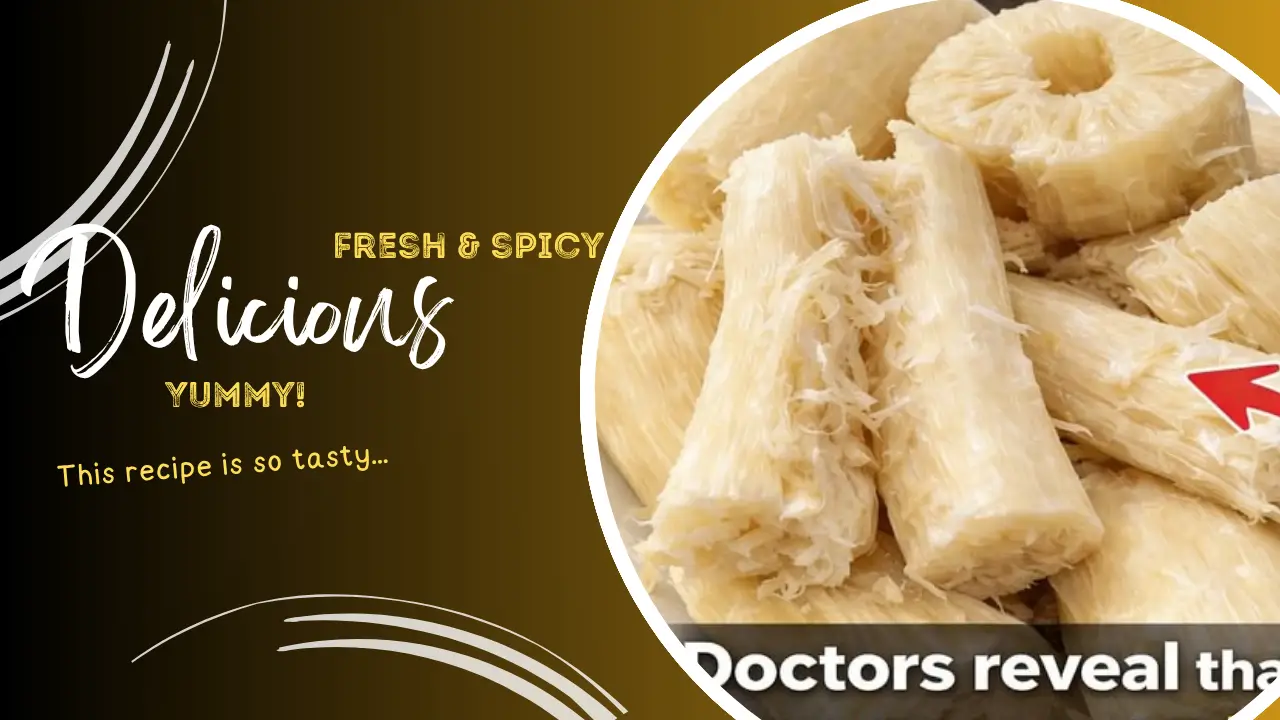
Cassava is a popular root vegetable enjoyed in many parts of the world, but doctors warn that improper preparation can lead to serious health risks. While it is rich in carbohydrates and provides energy, cassava contains natural compounds that may become toxic if not handled correctly. Understanding how to safely consume cassava is essential to avoid harmful effects. This guide explains the risks, proper preparation methods, and safety tips. Stay informed and protect your health while enjoying this staple food. Read carefully before including cassava in your meals. Knowledge is the key to safe eating habits.
INGREDIENTS:
- Fresh cassava roots
- Clean water
- Salt (optional)
- Lemon juice or vinegar (optional, for soaking)
INSTRUCTIONS:
- Peel the cassava thoroughly to remove the outer skin.
- Wash the cassava pieces well under running water.
- Cut into small chunks or slices.
- Soak in water for several hours (preferably overnight).
- Boil in fresh water for at least 20–30 minutes until soft.
- Discard the boiling water completely.
- Cook further as desired (fry, mash, or add to dishes).
TIPS:
- Never eat raw or undercooked cassava.
- Always peel properly, as toxins are concentrated in the skin.
- Soaking helps reduce harmful compounds.
- Avoid bitter-tasting cassava—it may contain higher toxin levels.
- Cook in a well-ventilated area if processing large amounts.
- Store cassava properly and use fresh roots for best safety.