
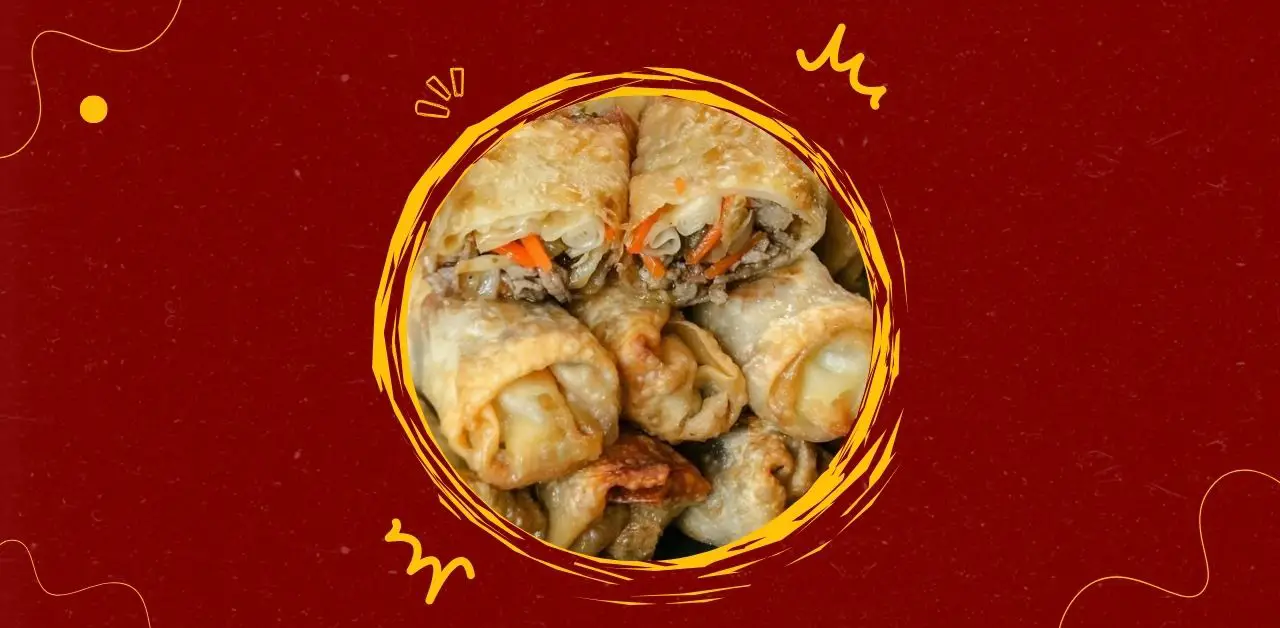
Crispy Homemade Egg Rolls are a beloved appetizer in Asian-inspired cuisine, known for their golden-brown exterior and flavorful filling. Each roll is wrapped in a thin pastry sheet, fried until crunchy, and filled with a savory mixture of ground meat, noodles, and vegetables such as carrots, cabbage, and onions. The contrast between the crispy shell and the tender, seasoned filling makes egg rolls irresistible.
This recipe celebrates the art of balance—texture, flavor, and aroma all come together in harmony. The filling is seasoned with soy sauce, garlic, and ginger, creating a savory depth that pairs beautifully with the freshness of shredded vegetables. The noodles add body and chewiness, while the meat provides richness. Once fried, the rolls become golden and crisp, perfect for dipping into sauces like sweet chili, soy-based dips, or spicy mustard.
Egg rolls are versatile. They can be served as appetizers, snacks, or even as part of a main meal. They are ideal for gatherings, family dinners, or festive occasions, offering both flavor and visual appeal. The process of making them—preparing the filling, wrapping the rolls, and frying them—is rewarding, resulting in a dish that feels both homemade and restaurant-quality.
Ingredients
For the Filling:
- 1 pound ground beef (or chicken/pork)
- 2 cups shredded cabbage
- 1 cup shredded carrots
- ½ cup bean sprouts (optional)
- ½ cup cooked vermicelli noodles (cut into small pieces)
- 1 medium onion, finely chopped
- 3 cloves garlic, minced
- 1 tablespoon fresh ginger, grated
- 3 tablespoons soy sauce
- 1 tablespoon oyster sauce (optional, for depth)
- 1 teaspoon sesame oil
- ½ teaspoon black pepper
- ½ teaspoon salt
For the Wrapping and Frying:
- 20 egg roll wrappers
- 1 beaten egg (for sealing)
- Vegetable oil for frying
For Serving (Optional):
- Sweet chili sauce
- Soy dipping sauce
- Spicy mustard
Instruction
- Prepare the filling: Heat a tablespoon of oil in a large skillet. Add ground meat and cook until browned. Drain excess fat if necessary. Add onion, garlic, and ginger, sautéing until fragrant. Stir in cabbage, carrots, and bean sprouts. Cook for 3–4 minutes until vegetables soften slightly. Add soy sauce, oyster sauce, sesame oil, salt, and pepper. Mix well. Stir in cooked noodles. Remove from heat and let filling cool.
- Wrap the egg rolls: Place an egg roll wrapper on a flat surface with one corner facing you (like a diamond). Spoon 2–3 tablespoons of filling near the bottom corner. Fold the corner over the filling, then fold in the sides. Roll tightly toward the top corner. Brush the edge with beaten egg to seal. Repeat with remaining wrappers and filling.
- Fry the egg rolls: Heat vegetable oil in a deep pan to 350°F (175°C). Fry egg rolls in batches, turning occasionally, until golden brown and crispy (about 3–4 minutes per batch). Remove and drain on paper towels.
- Serve: Arrange egg rolls on a platter. Serve hot with dipping sauces of choice.
Servings
This recipe yields approximately 20 egg rolls, serving 6–8 people depending on portion size.
Note
- Crunch factor: Fry at the correct temperature to ensure crispiness without absorbing excess oil.
- Sealing tip: Use beaten egg or a flour-water paste to seal wrappers tightly.
- Make-ahead option: Rolls can be assembled ahead of time and refrigerated for up to 24 hours before frying.
- Storage: Leftover egg rolls can be refrigerated and reheated in the oven to restore crispness.
- Versatility: Fillings can be customized with mushrooms, shrimp, or tofu for variety.
Extended Article (1000+ Words)
The Appeal of Egg Rolls Egg rolls are more than just food—they are a cultural symbol of celebration and sharing. Originating from Asian culinary traditions, they have become popular worldwide, often served at restaurants, parties, and family gatherings. Their appeal lies in the combination of textures and flavors: a crunchy exterior that gives way to a savory, aromatic filling.
The golden-brown wrapper is the first impression, signaling crispiness and warmth. Inside, the filling offers complexity—meat for richness, vegetables for freshness, noodles for body, and seasonings for depth. Together, they create a bite that is satisfying and memorable.
The Importance of Each Ingredient Every component of the egg roll contributes to its success:
- Ground meat: Provides protein and richness. Beef offers bold flavor, chicken is lighter, and pork adds juiciness.
- Cabbage and carrots: Add crunch, color, and freshness. They balance the richness of the meat.
- Bean sprouts: Optional but add texture and a subtle nutty flavor.
- Noodles: Vermicelli noodles absorb seasoning and add chewiness, making the filling more substantial.
- Onion, garlic, and ginger: Form the aromatic base, enhancing flavor and fragrance.
- Soy sauce and oyster sauce: Provide umami depth. Soy sauce adds saltiness, while oyster sauce contributes sweetness and complexity.
- Sesame oil: Adds a nutty aroma that elevates the filling.
- Egg roll wrappers: Thin sheets that crisp beautifully when fried, encasing the filling securely.
Together, these ingredients create harmony. The filling is savory, aromatic, and balanced, while the wrapper provides crunch.
The Ritual of Preparation Making egg rolls is a process that requires care and attention. Preparing the filling is the first step, combining meat, vegetables, and seasonings into a cohesive mixture. Cooling the filling before wrapping is essential, preventing sogginess and ensuring clean rolls.
Wrapping is both practical and artistic. Each roll must be tight enough to hold the filling but not so tight that it bursts during frying. The diamond-shaped folding technique ensures even distribution and a neat appearance. Sealing with egg guarantees the rolls stay intact.
Frying transforms the rolls. The oil’s heat crisps the wrapper, turning it golden and crunchy. The aroma intensifies, signaling readiness. Draining on paper towels ensures the rolls remain crisp without excess oil.
Serving and Enjoyment Egg rolls are best enjoyed hot, fresh from the fryer. Their crunch is most pronounced at this stage, and the filling is warm and flavorful. Dipping sauces enhance the experience, offering contrast and variety. Sweet chili sauce adds sweetness and heat, soy sauce provides saltiness, and spicy mustard introduces sharpness.
Egg rolls can be served as appetizers, snacks, or part of a main meal. They pair well with rice, noodles, or salads, making them versatile. Their portability also makes them suitable for parties and gatherings.
Cultural Resonance Egg rolls reflect the values of Asian cuisine: balance, harmony, and tradition. They embody the idea of combining diverse ingredients into a unified whole. Their popularity worldwide demonstrates the universality of these values, as people across cultures appreciate their flavor and texture.
In many households, egg rolls are a dish passed down through generations. Families may add personal touches, such as unique seasonings or fillings. This continuity makes egg rolls not just food but heritage.
Practical Tips for Success
- Cook filling thoroughly before wrapping to avoid raw ingredients inside.
- Do not overfill wrappers; too much filling can cause bursting.
- Fry in small batches to maintain oil temperature.
- Keep wrappers covered with a damp cloth to prevent drying while assembling.
- Reheat leftovers in the oven, not the microwave, to preserve crispness.
Mindfulness in Cooking Preparing egg rolls encourages mindfulness. Each step requires attention, from chopping vegetables to folding wrappers. The process invites you to slow down, focus, and appreciate the act of creation.
Serving egg rolls is equally mindful. Offering them to guests is an act of hospitality, a way of sharing comfort and tradition. Eating them slowly allows you to savor the balance of crunch and flavor.
The Science Behind Crispiness The crispiness of egg rolls comes from the interaction between oil and the wrapper. Frying at the correct temperature ensures moisture evaporates quickly, creating a crunchy texture. Too low a temperature results in soggy rolls, while too high risks burning.
The filling’s moisture content also matters. Cooling the filling before wrapping prevents excess steam during frying, ensuring crispness. Proper sealing keeps oil out and filling in, maintaining texture.
Serving Occasions Egg rolls fit into many contexts. They can be part of a family dinner, a contribution to a potluck, or a centerpiece at a party. Their versatility makes them suitable for casual and formal settings alike.
Their visual appeal adds to their suitability for gatherings. The golden-brown exterior and colorful filling make them attractive, while their portability makes them convenient.
Conclusion Crispy Homemade Egg Rolls are more than a recipe—they are an experience. They combine tradition with creativity, offering a dish that is both comforting and impressive. The filling balances meat, vegetables, and seasonings, while the wrapper provides crunch.