
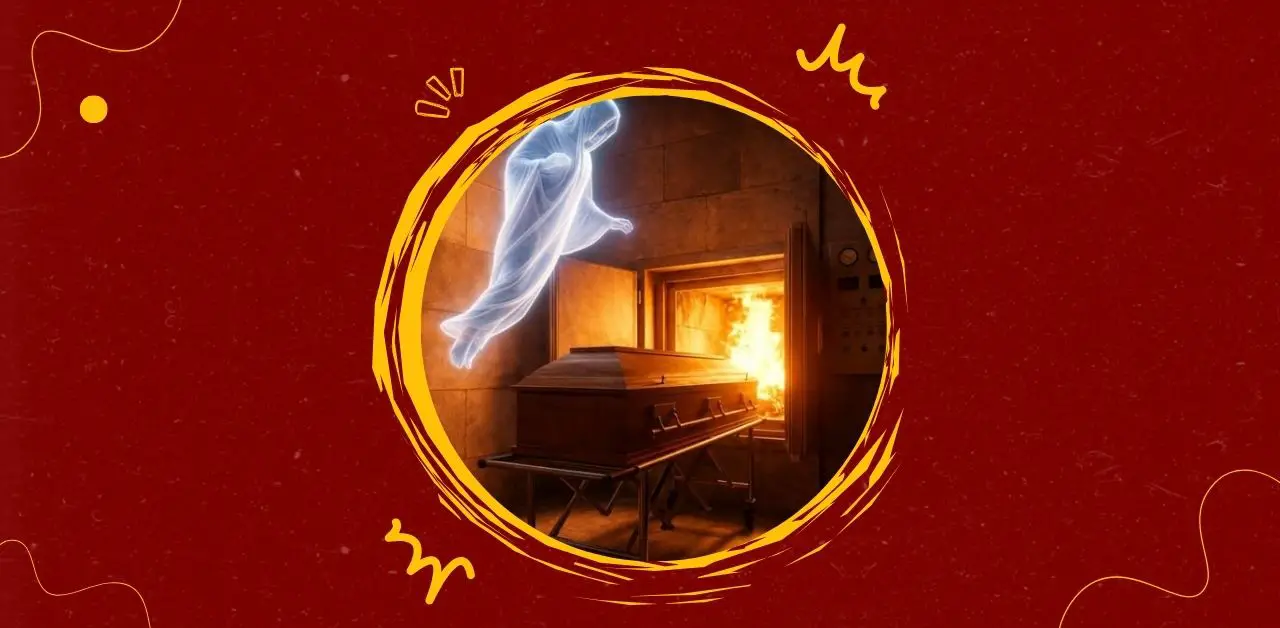
Cremation has become increasingly common worldwide, often chosen for its affordability, simplicity, or cultural preference. Yet for many Christians, the practice raises an important question: does the Bible view cremation as sinful? To answer this, we must explore scripture, historical practices, and theological perspectives.
What the Bible Says
The Bible does not explicitly forbid or condemn cremation. There are no direct verses that declare cremation a sin. Instead, scripture emphasizes the spiritual destiny of the soul rather than the physical treatment of the body after death.
- Genesis 3:19 reminds us: “For dust you are and to dust you shall return.” This verse highlights the natural return of the body to the earth, whether through burial or other means.
- Ecclesiastes 12:7 states: “The dust returns to the ground it came from, and the spirit returns to God who gave it.” Again, the focus is on the soul’s return to God, not the method of bodily disposal.
Historical Practices
In biblical times, burial was the most common practice among Israelites and early Christians. Tombs, caves, and graves were used to honor the dead. Cremation was less common and sometimes associated with pagan rituals.
However, the Bible does mention instances of burning human remains:
- In 1 Samuel 31:12, the men of Jabesh burned the bodies of Saul and his sons after retrieving them from the Philistines. This was done for practical reasons, not as a dishonor.
- In 2 Kings 23:16–20, bones were burned on altars as acts of desecration, but this was not the same as cremation for burial purposes.
These examples show that burning bodies did occur, but it was not the standard practice for God’s people.
Theological Perspectives
Christian teaching emphasizes resurrection and eternal life. Some worry that cremation might interfere with resurrection, but scripture assures believers that God’s power transcends physical decay.
- 1 Corinthians 15:42–44 explains that the body is “sown perishable, raised imperishable.” This means that no matter the state of the body—buried, decayed, or cremated—God can restore it in resurrection.
- The phrase “ashes to ashes, dust to dust” often used at funerals reflects the biblical truth that the body naturally returns to the earth. Cremation simply accelerates this process.
Is Cremation a Sin?
Based on scripture, cremation is not described as sinful. The Bible places emphasis on the soul’s relationship with God rather than the physical body’s condition after death. What matters most is faith in Christ and the hope of resurrection.
That said, burial traditions carry cultural and symbolic meaning. Some Christians prefer burial as a way of honoring the body, while others see cremation as a practical choice. Neither practice affects salvation.
Modern Considerations
Today, many families choose cremation due to cost, convenience, or environmental concerns. A traditional burial can cost thousands of dollars, while cremation is often more affordable. For believers, the decision should be guided by conscience, family wishes, and respect for the deceased.
Conclusion
The Bible does not teach that cremation is a sin. While burial was the common practice in biblical times, scripture emphasizes the eternal destiny of the soul rather than the physical treatment of the body. Whether one chooses burial or cremation, the central truth remains: our hope is in God’s promise of resurrection and eternal life through Jesus Christ.
Cremation, therefore, is a matter of personal choice and cultural tradition, not a spiritual violation. What truly matters is living a life of faith and trust in God, who holds both body and soul in His care.