
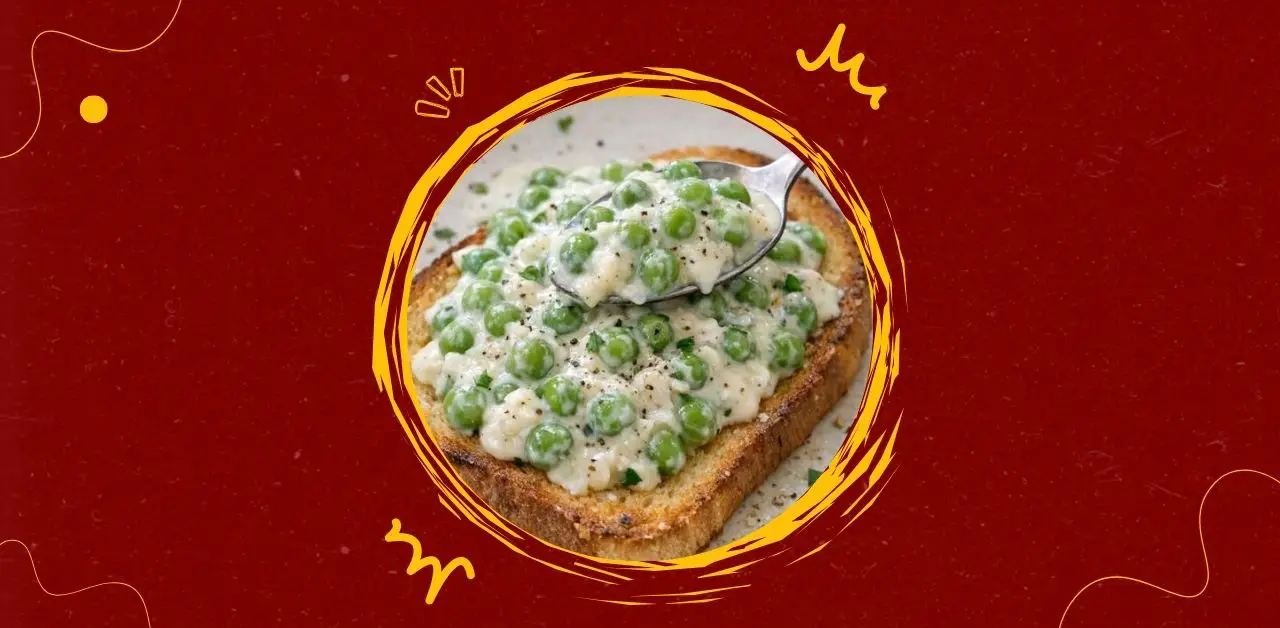
Creamed Peas on Toast is a quintessential comfort dish that bridges the gap between humble farmhouse cooking and sophisticated modern brunch. At its core, this dish is a celebration of simple, high-quality ingredients working in perfect harmony. It features vibrant, sweet green peas enveloped in a velvety, luxurious Béchamel-style white sauce, seasoned with a careful balance of salt, cracked black pepper, and often a hint of aromatic herbs or nutmeg. This creamy mixture is then generously ladled over thick, golden-brown slices of toasted bread—ideally a crusty sourdough or a sturdy brioche—which provides the necessary structural integrity and textural contrast to the soft, luscious topping.
Historically, creamed vegetables on toast were a staple of mid-century home cooking, valued for being economical, filling, and nutritious. However, this version elevates the concept by focusing on the “snap” of the peas and the richness of the roux. Unlike mushy peas, which are processed into a paste, creamed peas remain whole and bright, providing little bursts of sweetness in every bite. The sauce is thick enough to coat the spoon but fluid enough to seep slightly into the nooks and crannies of the toasted bread, softening the center while leaving the edges crisp. It is a dish that feels like a warm hug on a plate, making it an ideal choice for a quick weeknight dinner, a cozy breakfast, or a nostalgic side dish that commands center stage.
INGREDIENTS
To achieve the perfect balance of flavor and texture, each ingredient should be selected for its freshness and quality. This recipe yields a rich, savory profile with a hint of garden freshness.
The Base (The Roux & Sauce):
- Unsalted Butter (4 tablespoons): Using high-quality European-style butter adds a deeper, nuttier flavor to the roux.
- All-Purpose Flour (4 tablespoons): This acts as the thickening agent. Using an equal ratio of butter to flour ensures a smooth, lump-free consistency.
- Whole Milk (2 ½ cups): Whole milk is preferred for maximum creaminess. For an even more indulgent version, you can substitute ½ cup of milk with heavy cream.
- Heavy Cream (optional, 2 tablespoons): Added at the end for an extra silky finish.
The Star of the Show:
- Sweet Green Peas (3 cups): You can use fresh shelled peas (blanched for 2 minutes) or high-quality frozen petite peas. Frozen peas are often preferred because they are flash-frozen at peak ripeness, maintaining their vibrant color and snap.
The Aromatics & Seasoning:
- Yellow Onion or Shallot (1 small, finely minced): Sautéing these in the butter before adding flour adds a layer of savory complexity.
- Garlic (2 cloves, minced): Provides a subtle pungent undertone.
- Kosher Salt (to taste): Essential for drawing out the natural sweetness of the peas.
- Freshly Cracked Black Pepper (½ teaspoon): The pepper should be visible and provide a slight bite to cut through the richness.
- Ground Nutmeg (a tiny pinch): The “secret ingredient” in classic white sauces that adds a mysterious, earthy warmth.
- Fresh Parsley (2 tablespoons, finely chopped): For a pop of color and a fresh, herbaceous finish.
The Foundation:
- Thick-Cut Bread (4 to 6 slices): Sourdough, French boule, or thick Texas-style toast works best. The bread needs to be sturdy enough to hold the weight of the creamed peas without turning into a soggy mess immediately.
- Extra Butter (for spreading on the toast).
INSTRUCTIONS
Step 1: Preparing the Peas
If using fresh peas, bring a small pot of salted water to a boil. Drop the peas in and blanch them for about 2 to 3 minutes until they are bright green and tender but still have a slight “pop” when bitten. Drain and immediately plunge them into an ice bath to stop the cooking process. If using frozen peas, simply thaw them under warm running water and drain thoroughly. Pat them dry to ensure no extra water dilutes your sauce.
Step 2: Sautéing the Aromatics
In a large skillet or medium saucepan, melt the 4 tablespoons of butter over medium heat. Once the butter is bubbling, add the finely minced onions or shallots. Sauté for 3 to 4 minutes until they become translucent and fragrant, but do not let them brown. Add the minced garlic and cook for an additional 30 to 60 seconds until the garlic scent fills the air.
Step 3: Creating the Roux
Sprinkle the flour over the butter and onion mixture. Use a whisk to stir constantly for about 1 to 2 minutes. This “cooks out” the raw flour taste. The mixture should look like a pale, bubbling paste. Be careful not to let it turn brown, as we want a “white roux” to maintain the ivory color of the sauce.
Step 4: Building the Béchamel Sauce
Slowly begin pouring in the milk, about a half-cup at a time. It is crucial to whisk vigorously after each addition to prevent lumps from forming. Initially, the mixture will seize and become thick, but as you continue adding milk, it will transform into a smooth, velvety sauce. Once all the milk is incorporated, turn the heat up slightly to bring the sauce to a gentle simmer. Continue to cook, stirring frequently, for about 5 minutes until the sauce thickens enough to coat the back of a spoon.
Step 5: Seasoning and Flavoring
Once the sauce has reached the desired thickness, stir in the salt, freshly cracked black pepper, and the pinch of nutmeg. Taste the sauce at this stage—it should be savory and rich. If you want a more decadent texture, stir in the 2 tablespoons of heavy cream now.
Step 6: Incorporating the Peas
Gently fold the prepared peas into the creamy sauce. Reduce the heat to low and let the peas simmer in the sauce for 2 to 3 minutes. This allows the peas to warm through and the flavors to meld. Be careful not to overcook them, or they will lose their bright green color and turn olive-drab.
Step 7: Toasting the Bread
While the peas are simmering, toast your slices of bread. For the best results, use a toaster or broil them in the oven until the edges are dark golden brown. Spread a thin layer of butter on each slice while they are still hot. This creates a fat barrier that helps prevent the sauce from soaking into the bread too quickly.
Step 8: Assembly and Garnishing
Place one or two slices of buttered toast on a plate. Use a large spoon to generously ladle the creamed pea mixture over the center of the toast, allowing some to spill over the sides. Sprinkle a generous amount of freshly chopped parsley and an extra crack of black pepper over the top.
SERVINGS
- Yields: 4 generous servings
- Prep Time: 10 minutes
- Cook Time: 15 minutes
- Total Time: 25 minutes
NOTE
Variations and Tips for Success:
- Protein Boost: To turn this into an even heartier meal, you can add diced cooked ham, crispy bacon bits, or even flaked smoked salmon to the sauce along with the peas. A poached egg perched on top of the peas is also a luxurious addition, as the runny yolk mixes beautifully with the white sauce.
- Bread Choice Matters: Do not use thin, flimsy sandwich bread. It will disintegrate under the weight of the sauce. If you only have thin bread, consider double-toasting it to make it as rigid as possible.
- Texture Control: If your sauce becomes too thick while simmering, simply whisk in a splash of milk or chicken broth to loosen it up. If it is too thin, let it simmer for a few more minutes to reduce.
- Brighten the Flavor: If the dish feels too “heavy,” a tiny squeeze of fresh lemon juice or a teaspoon of lemon zest added at the very end can brighten the entire flavor profile and cut through the dairy richness.
- Storage: Creamed peas are best enjoyed immediately. If you have leftovers, store the pea mixture in an airtight container in the fridge for up to 2 days. Reheat gently on the stovetop with a splash of milk. Do not store the peas on the toast, or it will become a soggy mass.