
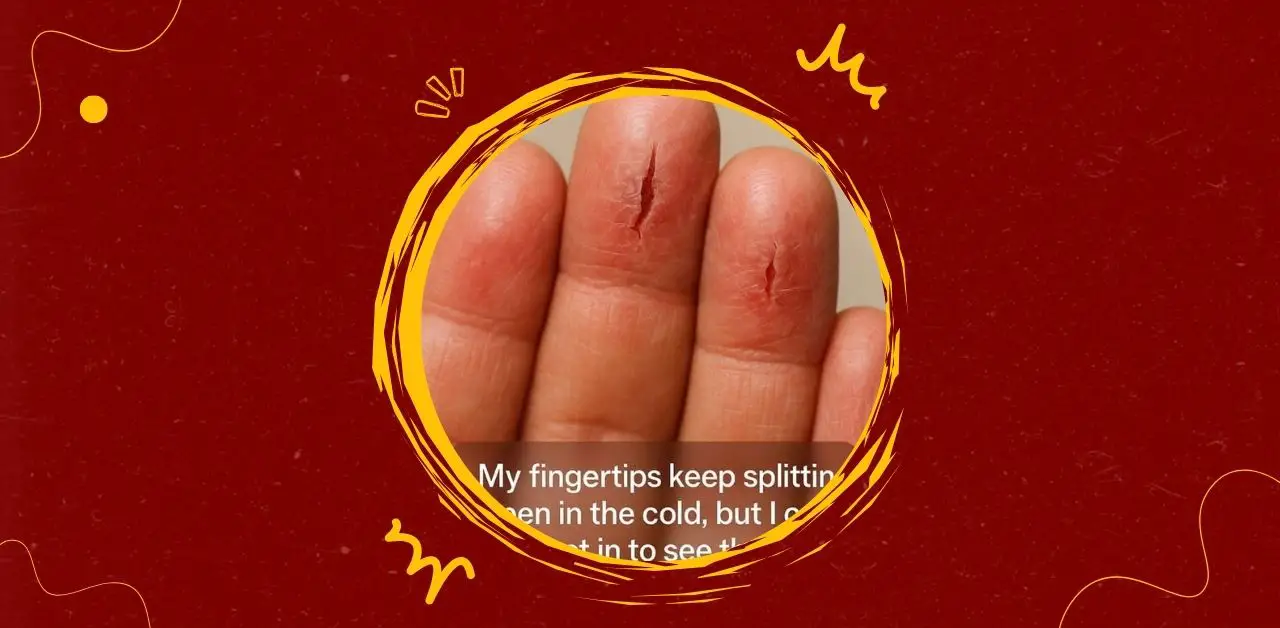
Cold weather can be harsh on the skin, especially on the hands. Fingertips are particularly vulnerable because they are exposed, frequently used, and have thinner skin compared to other parts of the body. When temperatures drop, the air becomes dry, stripping moisture from the skin. This often leads to irritation, splitting, and painful cracks on the fingertips. While waiting to see a doctor, there are several practical steps you can take to manage the discomfort and protect your skin.
Why Fingertips Split in the Cold
- Loss of moisture: Cold air and indoor heating reduce humidity, leaving skin dry.
- Frequent washing: Soap and water strip natural oils, worsening dryness.
- Thin skin at fingertips: The tips of fingers have less cushioning, making them prone to splitting.
- Underlying conditions: Sometimes, issues like eczema or psoriasis can make the skin more sensitive to cold.
Immediate Relief Strategies
- Moisturize frequently: Use a thick, fragrance-free cream or ointment. Products with shea butter, petroleum jelly, or lanolin are especially effective. Apply after washing hands and before bed.
- Protect with gloves: Wear insulated gloves outdoors to shield against cold air. Indoors, use cotton gloves after applying moisturizer to help lock in hydration.
- Avoid harsh soaps: Switch to gentle, moisturizing cleansers. Harsh detergents strip oils and worsen cracks.
- Seal cracks: For deeper splits, applying a small amount of petroleum jelly and covering with a bandage can protect the area and promote healing.
- Hydrate internally: Drink plenty of water. Hydration supports skin health from within.
Preventive Measures
- Humidify your environment: Use a humidifier at home to add moisture to dry indoor air.
- Limit hot water exposure: Wash hands with lukewarm water instead of hot, which dries skin faster.
- Apply overnight treatments: Before bed, coat fingertips with a thick ointment and wear cotton gloves to allow the skin to repair overnight.
- Choose protective products: Look for creams labeled “barrier repair” or “intensive healing.” These are designed to restore damaged skin.
When to Seek Medical Help
While these steps can provide relief, medical attention is important if:
- Cracks are very deep and bleed frequently.
- Pain interferes with daily activities.
- Signs of infection appear (redness, swelling, pus, or warmth around the cracks).
- The problem persists despite consistent care.
Emotional and Practical Impact
Cracked fingertips are not only painful but can also affect daily life—typing, cooking, or even buttoning clothes may become difficult. This discomfort can be frustrating, especially when it interferes with routine tasks. Taking proactive steps to care for your hands helps reduce pain and restore confidence in everyday activities.
Conclusion
Splitting fingertips in cold weather is a common but manageable issue. By moisturizing regularly, protecting your hands, and using gentle care routines, you can reduce discomfort and prevent further damage. While waiting to see a doctor, these strategies provide relief and support healing. Remember, consistency is key—small, daily habits make a big difference in protecting your skin.