
Constipation is one of the most common digestive complaints worldwide. It occurs when bowel movements become infrequent, difficult, or incomplete, often leaving a person feeling bloated, heavy, and uncomfortable. While occasional constipation is normal, chronic issues can interfere with daily life and signal underlying imbalances. Fortunately, simple lifestyle adjustments—especially posture during bowel movements, hydration, and diet—can make a significant difference.
🌟 Why Constipation Happens
Constipation develops when stool moves too slowly through the intestines or becomes too dry and hard. Common causes include:
- Low fiber intake: Diets lacking fruits, vegetables, and whole grains.
- Dehydration: Insufficient water makes stool harder to pass.
- Sedentary lifestyle: Lack of movement slows digestion.
- Ignoring urges: Delaying bathroom visits can lead to harder stools.
- Medications: Some drugs reduce intestinal motility.
- Stress and routine changes: Travel, anxiety, or disrupted schedules affect bowel habits.
🔑 Posture and Bowel Movement
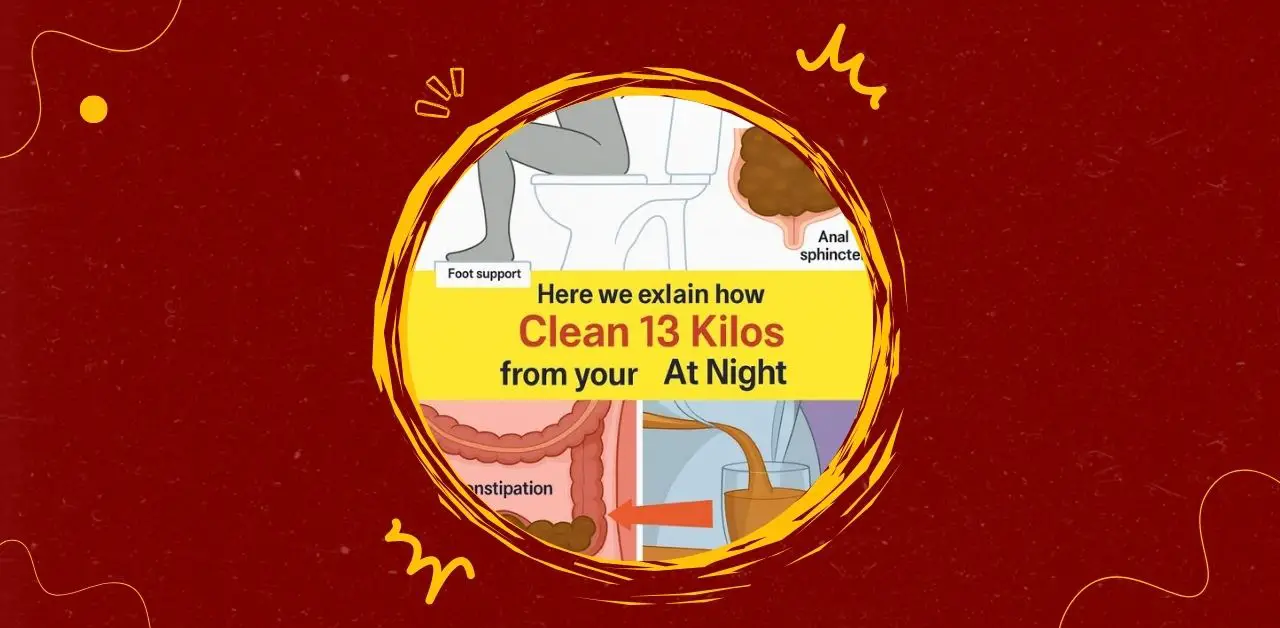
The way you sit on the toilet can influence how easily stool passes. Modern toilets encourage a seated position, but the body is naturally designed for squatting. Adjusting posture can help:
- Lean Forward: Rest elbows on knees to mimic a squatting angle.
- Foot Support: Place feet on a small stool to raise knees above hips.
- Relaxation: Avoid straining; deep breathing helps muscles release.
This posture straightens the rectum and reduces pressure on the anal sphincter, making elimination smoother.
🥤 Natural Remedies and Daily Habits
1. Hydration
Drink 8–10 glasses of water daily. Warm water in the morning can stimulate bowel movement.
2. Fiber-Rich Foods
Include fruits (apples, pears, prunes), vegetables (spinach, carrots), legumes, and whole grains. Fiber adds bulk and softens stool.
3. Healthy Fats
Olive oil, nuts, and seeds lubricate the intestines, easing passage.
4. Movement
Regular exercise stimulates intestinal contractions. Even walking after meals helps digestion.
5. Natural Drinks
Herbal teas (peppermint, ginger, chamomile) or warm lemon water can gently encourage bowel activity.
6. Routine
Train your body by visiting the bathroom at the same time daily, ideally after breakfast when digestion is active.
⚠️ When to Seek Medical Advice
Constipation is usually manageable at home, but professional help is needed if:
- It persists for more than two weeks.
- There is severe pain, blood in stool, or unexplained weight loss.
- It alternates with diarrhea or is accompanied by nausea and vomiting.
These may indicate underlying conditions such as irritable bowel syndrome, thyroid imbalance, or gastrointestinal obstruction.
🌟 Conclusion
Constipation doesn’t appear by chance—it’s often the result of lifestyle, diet, and posture. By leaning forward, supporting your feet, staying hydrated, and eating fiber-rich foods, you can encourage smoother, more natural bowel movements. Combined with daily exercise and mindful routines, these practices reduce discomfort and support long-term digestive health. While natural remedies are effective for most cases, persistent or severe constipation should always be discussed with a healthcare professional.