
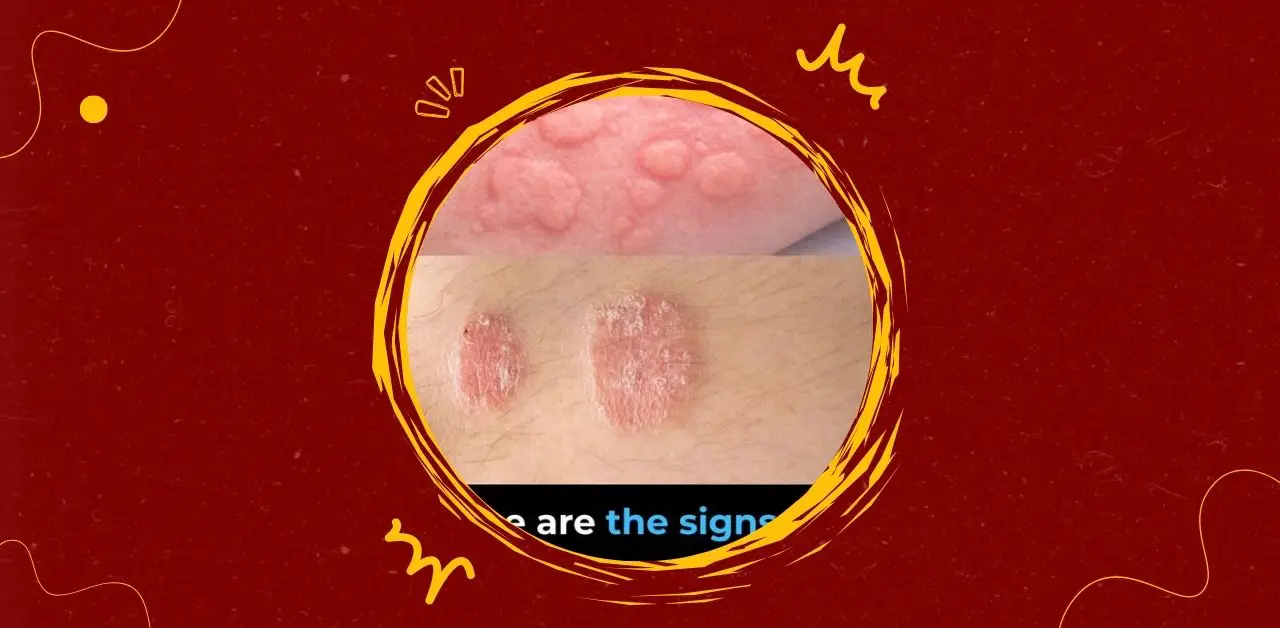
Skin is the body’s largest organ, and it often reflects our overall health. When patches of redness, dryness, or inflammation appear, they can be uncomfortable, unsightly, and sometimes alarming. While many skin conditions share similar symptoms—such as itching, scaling, or redness—their causes and treatments vary widely. This article explores common dermatological issues, their signs, and general approaches to care, offering a clear and extended overview for anyone seeking to understand what might be happening with their skin.
Common Skin Conditions and Their Signs
1. Eczema (Atopic Dermatitis)
Eczema is a chronic condition characterized by dry, itchy, and inflamed skin. It often appears as red patches that may ooze or crust over. Common triggers include allergens, stress, and irritants like harsh soaps. People with eczema may notice flare-ups during seasonal changes or after exposure to certain fabrics.
2. Psoriasis
Psoriasis is an autoimmune condition where skin cells multiply too quickly, leading to thick, scaly patches. These patches are often silvery-white and can appear on elbows, knees, scalp, or forearms. Unlike eczema, psoriasis tends to be more persistent and may be linked to joint pain in some individuals.
3. Fungal Infections (Ringworm, Athlete’s Foot)
Fungal infections often present as circular, red, raised patches with clearer skin in the center. They thrive in warm, moist environments and can spread easily through contact. Ringworm on the arm or body is common, while athlete’s foot affects the soles and between the toes.
4. Contact Dermatitis
This condition occurs when the skin reacts to direct contact with an irritant or allergen. Symptoms include redness, itching, and sometimes blistering. Common culprits are detergents, perfumes, or metals like nickel.
5. Dry Skin (Xerosis)
Sometimes, patches of redness and scaling are simply due to excessively dry skin. Cold weather, frequent washing, or lack of moisturization can strip the skin of natural oils, leading to irritation.
General Care and Prevention
- Moisturization: Keeping the skin hydrated is essential. Use fragrance-free, hypoallergenic moisturizers regularly, especially after bathing.
- Gentle Cleansing: Avoid harsh soaps and opt for mild, pH-balanced cleansers. Over-washing can worsen dryness and irritation.
- Avoid Triggers: Identify and minimize exposure to irritants such as strong detergents, perfumes, or certain fabrics.
- Healthy Lifestyle: A balanced diet rich in vitamins and minerals supports skin health. Omega-3 fatty acids, found in fish and flaxseed, may reduce inflammation.
- Protective Measures: Wear breathable clothing, keep skin dry in humid conditions, and avoid scratching, which can worsen irritation and lead to infection.
- Seek Professional Guidance: Persistent or worsening symptoms should be evaluated by a dermatologist, who can provide tailored treatment options.
When to Be Concerned
While many skin conditions are manageable at home, certain signs warrant medical attention:
- Rapid spreading of red patches
- Severe pain or swelling
- Signs of infection (pus, fever, or spreading redness)
- Skin changes accompanied by joint pain or fatigue
These may indicate a more serious underlying issue that requires professional care.
Conclusion
Skin conditions such as eczema, psoriasis, fungal infections, and dermatitis can look similar but have distinct causes and treatments. Recognizing the signs—redness, scaling, itching, or circular patches—helps in taking the right steps toward relief. Gentle care, moisturization, and avoidance of triggers often improve symptoms, but persistent or severe cases should be addressed by a healthcare professional.
By understanding these conditions and practicing consistent skin care, you can reduce discomfort, protect your skin, and maintain confidence in your daily life. This knowledge empowers you to respond proactively to changes in your skin, ensuring that minor irritations don’t escalate into major concerns.