
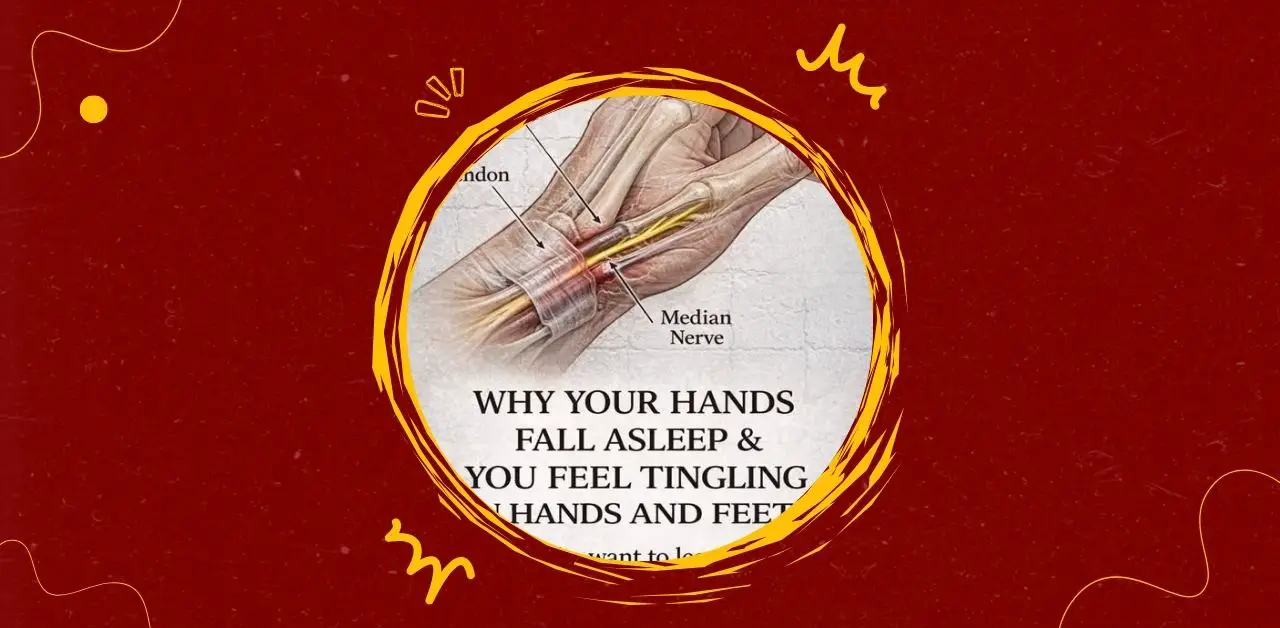
Tingling and numbness in the hands and feet are most often linked to nerve-related issues such as peripheral neuropathy, carpal tunnel syndrome, or poor circulation. While sometimes harmless and temporary, persistent or worsening symptoms can signal underlying conditions like diabetes, vitamin deficiencies, or spinal problems.
1. Peripheral Neuropathy
- Damage to nerves outside the brain and spinal cord.
- Most common cause: diabetes, where high blood sugar damages nerves over time.
- Other triggers: infections (Lyme disease, shingles, HIV), autoimmune disorders, toxins, or certain medications.
- Symptoms: burning, stabbing pain, tingling, or feeling like wearing “gloves or socks” when not.
2. Nerve Compression Syndromes
- Carpal tunnel syndrome (wrist nerve compression) → tingling in hands/fingers.
- Tarsal tunnel syndrome (ankle nerve compression) → tingling in feet.
- Herniated discs or spinal stenosis can also press on nerves, causing numbness.
3. Poor Blood Flow
- Temporary “pins and needles” when circulation is restricted (e.g., sitting too long).
- Chronic circulation issues in older adults can cause persistent numbness.
4. Vitamin Deficiencies
- Low levels of B vitamins (B1, B6, B12) are strongly linked to nerve health.
- Deficiency can cause tingling, weakness, and balance problems.
5. Medical Conditions
- Diabetes: major risk factor for nerve damage.
- Thyroid disorders: hypothyroidism can slow nerve function.
- Kidney or liver disease: metabolic waste buildup affects nerves.
- Multiple sclerosis or stroke: neurological causes of numbness.
⚠️ When to Seek Medical Help
- Sudden numbness with weakness, speech, or vision changes → possible stroke.
- Persistent tingling that worsens or spreads.
- Numbness with muscle weakness, loss of balance, or bladder/bowel issues.
- Severe pain, burning, or sensitivity to touch.
Early diagnosis improves outcomes, especially for conditions like diabetes or autoimmune disorders.
✅ General Prevention and Care
- Manage blood sugar if diabetic.
- Eat a balanced diet rich in B vitamins, lean proteins, fruits, and vegetables.
- Exercise regularly to improve circulation and nerve health.
- Avoid toxins (smoking, excessive alcohol, heavy metals).
- Protect posture: avoid repetitive strain, use ergonomic supports.
- Stay warm: cold reduces blood flow to extremities, worsening symptoms.
🔑 Key Takeaway
Tingling and numbness in hands and feet are usually linked to nerve or circulation problems. While temporary episodes may be harmless, persistent or worsening symptoms should be evaluated by a doctor to rule out conditions like diabetes, vitamin deficiencies, or spinal issues.