
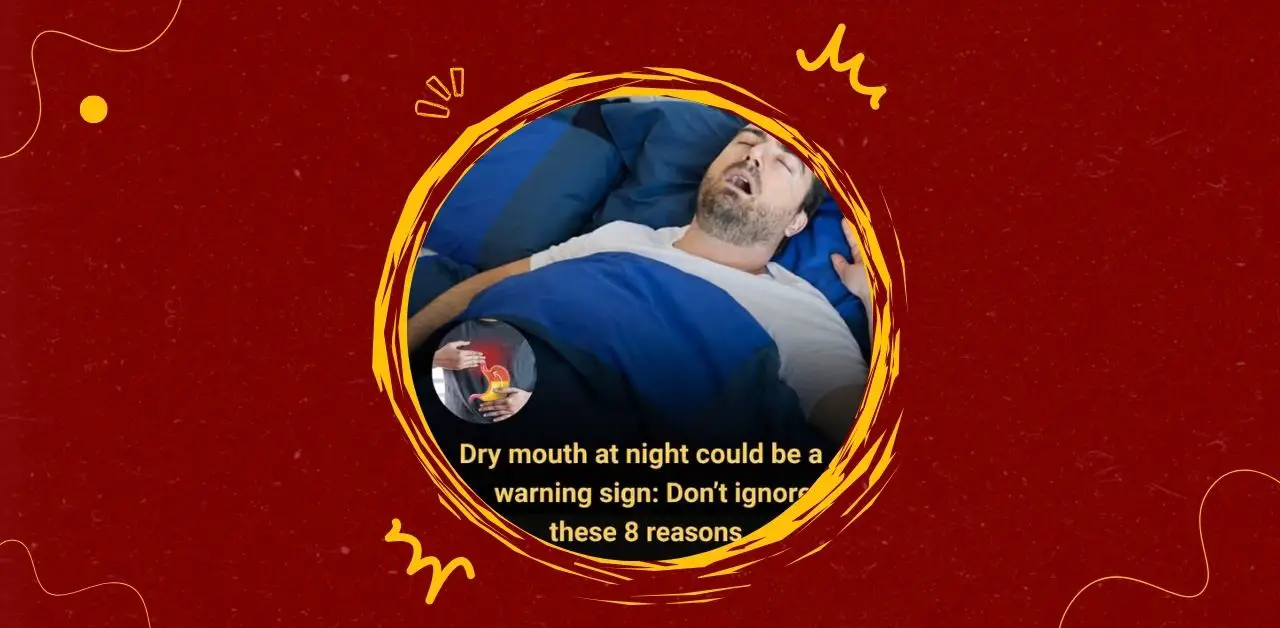
Dry mouth at night (nocturnal xerostomia) is often linked to dehydration, mouth breathing, snoring, or medication side effects, but it can also signal underlying conditions like diabetes, Sjögren’s syndrome, or nerve damage. Persistent symptoms should be evaluated by a doctor, as untreated dry mouth increases risk of tooth decay, gum disease, and oral infections.
- Dehydration: Not drinking enough water during the day.
- Mouth Breathing & Snoring: Sleeping with the mouth open dries saliva.
- Medications: Antihistamines, antidepressants, blood pressure drugs, muscle relaxants, and painkillers are frequent culprits.
- Aging: Salivary gland function naturally declines with age.
- Cancer Therapy: Radiation or chemotherapy can damage salivary glands.
- Nerve Damage: Injury or surgery in the head/neck area.
- Medical Conditions: Diabetes, stroke, Alzheimer’s, Sjögren’s syndrome, HIV/AIDS.
- Lifestyle Factors: Smoking, alcohol use, marijuana, or methamphetamine.
🩺 Symptoms to Watch For
- Sticky, dry feeling in mouth
- Waking up thirsty
- Cracked lips or dry tongue
- Sore throat or hoarseness
- Bad breath
- Difficulty chewing, swallowing, or speaking
- Mouth sores or thrush (yeast infection)
⚠️ Risks if Untreated
- Dental problems: Increased plaque, cavities, gum disease.
- Oral infections: Thrush, mouth sores.
- Nutrition issues: Difficulty chewing/swallowing can reduce food intake.
- Sleep disruption: Frequent waking for water.
✅ Management & Remedies
- Hydration: Drink water throughout the day and keep a glass by your bed.
- Humidifier: Add moisture to bedroom air.
- Saliva substitutes: Moisturizing sprays, gels, or alcohol-free mouthwash.
- Chewing gum/lozenges: Sugar-free options stimulate saliva.
- Avoid irritants: Limit caffeine, alcohol, tobacco, and spicy/salty foods before bed.
- Medical treatment: Doctors may prescribe pilocarpine or cevimeline to stimulate saliva in severe cases.
🕒 When to See a Doctor
- If dry mouth persists for weeks despite hydration.
- If accompanied by tooth decay, mouth sores, or thrush.
- If linked to new medications or systemic conditions (diabetes, autoimmune disease).
- If symptoms disrupt sleep or eating.