
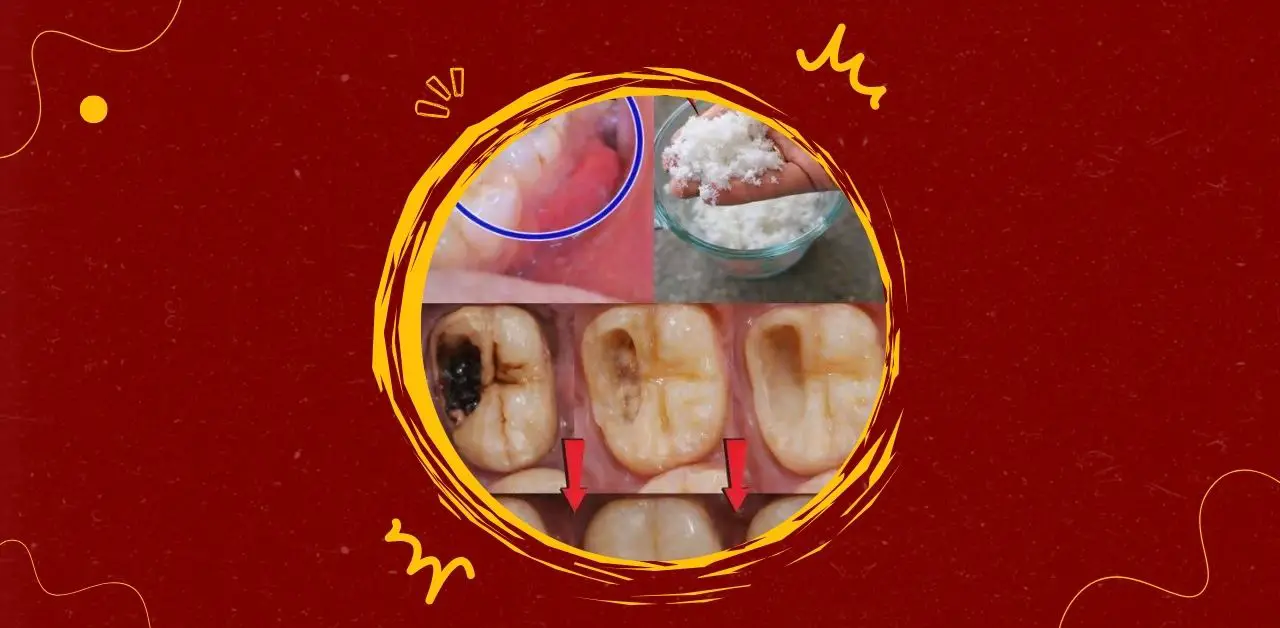
Dental health is a cornerstone of overall well-being, and maintaining strong, healthy teeth requires consistent care. While modern dentistry provides advanced treatments for cavities and decay, traditional practices often highlight natural ingredients that may support oral hygiene. Coconut, in particular, has long been valued in many cultures for its potential benefits in oral care. From oil pulling to natural rinses, coconut is often associated with practices that aim to refresh the mouth and promote healthier teeth.
Understanding Tooth Decay
Tooth decay occurs when bacteria in the mouth produce acids that erode enamel, leading to cavities. Poor oral hygiene, frequent consumption of sugary foods, and lack of regular dental care can accelerate this process. Over time, untreated cavities can cause pain, sensitivity, and even tooth loss. Preventing decay requires a combination of professional care and daily habits that protect enamel and reduce bacterial growth.
Coconut in Oral Care
Coconut is often used in natural oral care routines because of its unique properties:
- Oil pulling tradition: Swishing coconut oil in the mouth for several minutes is believed to help reduce bacteria and freshen breath.
- Moisturizing effect: Coconut oil can coat teeth and gums, providing a soothing sensation.
- Nutrient content: Coconut contains compounds that may support overall wellness, though its direct impact on cavities is limited.
While coconut cannot reverse cavities, it may complement oral hygiene practices by helping maintain a cleaner mouth environment.
Practical Application
A simple coconut-based oral rinse can be prepared at home:
- Warm coconut oil: Use 1–2 tablespoons of coconut oil, ensuring it is liquid but not hot.
- Swish gently: Place oil in the mouth and swish for 10–15 minutes, moving it through teeth and gums.
- Spit out carefully: Discard the oil into a trash bin rather than the sink to avoid clogging pipes.
- Rinse with water: Follow with warm water and brush teeth as usual.
This practice, often referred to as oil pulling, is not a replacement for brushing or dental visits but can be used as a supplementary routine.
Benefits and Limitations
- Benefits: May reduce bacteria, freshen breath, and provide a soothing effect on gums.
- Limitations: Coconut oil cannot repair enamel or reverse cavities. Professional dental care is essential for treating decay.
- Best use: As part of a balanced oral hygiene routine that includes brushing, flossing, and regular dental checkups.
Conclusion
Coconut has earned a place in traditional oral care practices, particularly through oil pulling and natural rinses. While it cannot cure cavities or reverse decay, it may support oral hygiene by reducing bacteria and refreshing the mouth. The key to dental health lies in combining natural practices with modern care—brushing twice daily, flossing, and visiting a dentist regularly.
Coconut serves as a reminder that nature offers simple tools that can complement professional treatments. By integrating such practices thoughtfully, individuals can enjoy both the comfort of tradition and the security of modern dental science.