
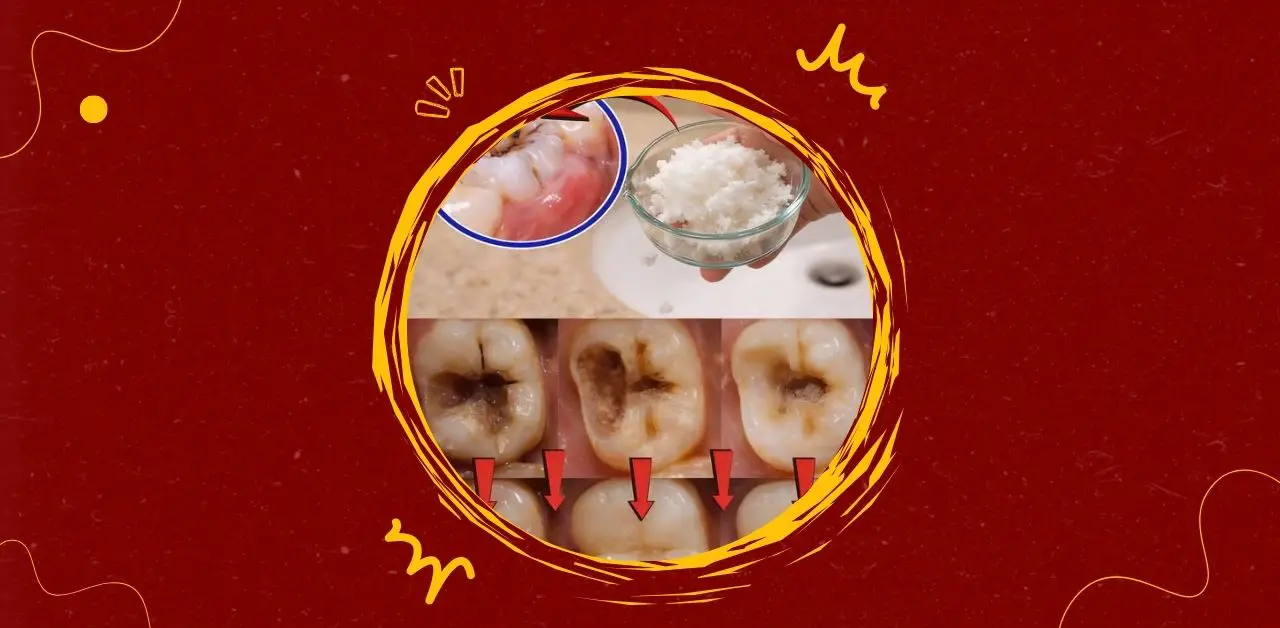
Tooth decay is one of the most common oral health problems worldwide. It occurs when bacteria in the mouth produce acids that erode tooth enamel, leading to cavities, pain, and sometimes tooth loss. While modern dentistry offers effective treatments such as fillings, crowns, and fluoride applications, many cultures have long relied on natural remedies to support oral health. Coconut, in particular, has gained attention for its potential role in maintaining healthy teeth and gums.
Tooth Decay: How It Happens
Tooth decay begins when sugars and starches from food interact with bacteria in the mouth. This produces acids that attack the enamel. Over time, repeated exposure weakens the tooth structure, forming cavities. Contributing factors include:
- Poor oral hygiene
- Frequent consumption of sugary foods and drinks
- Dry mouth or reduced saliva flow
- Lack of regular dental care
Coconut as a Natural Remedy
Coconut is valued not only as a food but also as a natural aid for oral health. Its potential benefits include:
- Antibacterial properties: Coconut contains compounds such as lauric acid, which may help reduce harmful bacteria in the mouth.
- Oil pulling tradition: In Ayurvedic practice, coconut oil is swished in the mouth for several minutes to “pull” out toxins and bacteria. This is believed to reduce plaque and freshen breath.
- Moisturizing effect: Coconut oil can soothe gums and prevent dryness, which supports saliva production.
- Nutrient support: Coconut provides minerals and antioxidants that may contribute to overall oral wellness.
How Coconut Is Used for Dental Care
- Oil pulling: Swish 1 tablespoon of coconut oil in the mouth for 10–15 minutes, then spit it out. This is thought to reduce bacteria and plaque buildup.
- Topical application: Some people apply coconut oil directly to teeth and gums as a protective layer.
- Dietary inclusion: Eating fresh coconut or using coconut-based products can provide nutrients that support oral health indirectly.
Potential Benefits
- Reduced plaque and bacteria
- Fresher breath
- Possible reduction in gum inflammation
- A natural, chemical-free alternative to mouthwash
Limitations
- Coconut oil or shredded coconut cannot “heal” cavities once they form. Professional dental care is necessary for advanced decay.
- Results vary, and scientific evidence is limited compared to established dental treatments.
- Oil pulling should not replace brushing and flossing but can be used as a complementary practice.
Safety Considerations
Coconut is generally safe to use in oral care. However, swallowing large amounts of oil during oil pulling may cause stomach discomfort. It’s important to spit out the oil after use. Children should be supervised to avoid accidental ingestion.
Psychological Dimension
The appeal of coconut in dental care lies in its natural simplicity. Many people feel empowered by using everyday ingredients to support their health. Coconut evokes a sense of tradition and holistic living, offering comfort in the idea that nature provides solutions. Even if results are gradual, the ritual of oil pulling or applying coconut can foster mindfulness and self-care.
Conclusion
Coconut has long been celebrated for its health benefits, and its role in oral care is part of that tradition. While it cannot reverse tooth decay, it may help reduce bacteria, freshen breath, and support gum health. Used alongside proper brushing, flossing, and regular dental visits, coconut can be a gentle, natural addition to oral hygiene routines.