
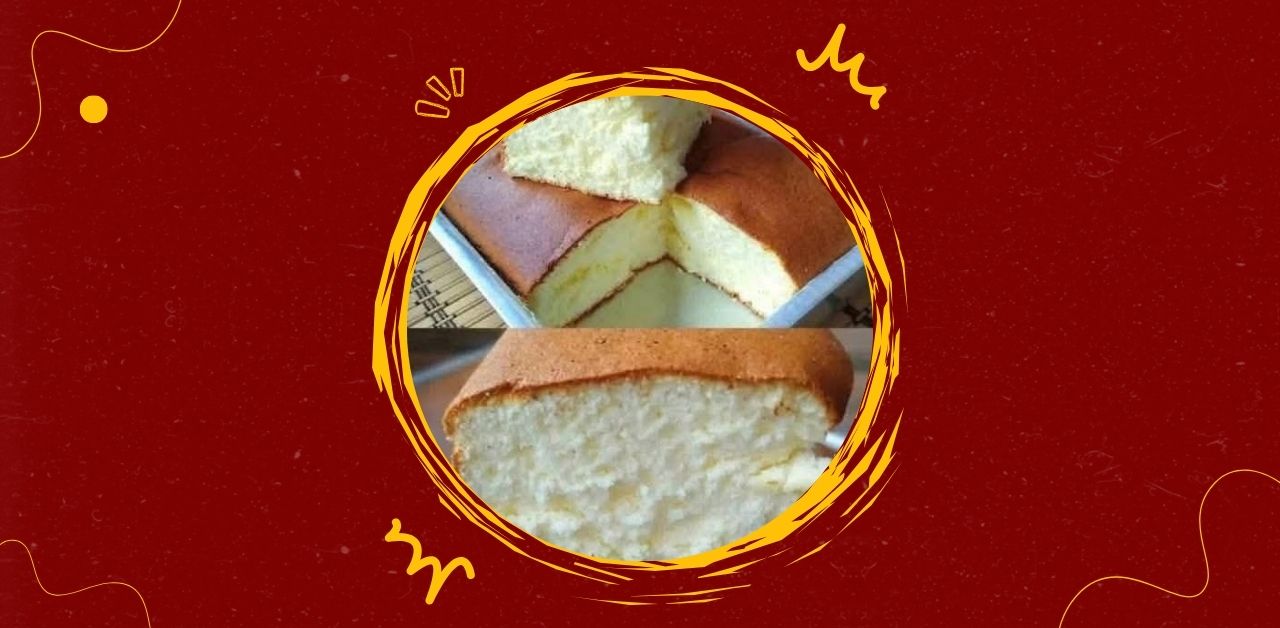
Classic Tray-Baked Sponge Cake is a timeless dessert known for its light, fluffy texture and subtle sweetness. Baked in a rectangular tray, this sponge cake is ideal for slicing into neat squares or rectangles, making it perfect for serving at gatherings, afternoon tea, or as a base for layered desserts. Its golden crust and soft interior offer a delicate balance of structure and tenderness, with a melt-in-your-mouth crumb that pairs beautifully with coffee, tea, or fruit toppings.
This sponge cake relies on the aeration of eggs and sugar to achieve its signature rise and texture. Unlike dense cakes that use heavy fats or oils, sponge cake is built on volume and precision. The batter is gently folded to preserve air bubbles, resulting in a cake that’s both light and satisfying. It can be enjoyed plain or dressed up with whipped cream, jam, custard, or chocolate glaze.
Whether you’re a beginner baker or a seasoned pro, this recipe offers a reliable method for creating a sponge cake that’s soft, moist, and beautifully golden. It’s easy to customize with citrus zest, vanilla, or almond extract, and it stores well for snacking throughout the week.
INGREDIENTS:
For the sponge cake:
- 4 large eggs (room temperature)
- 1 cup granulated sugar
- 1 cup all-purpose flour (sifted)
- 1/4 cup cornstarch (optional, for extra lightness)
- 1/2 teaspoon baking powder
- 1/4 teaspoon salt
- 1/4 cup milk (lukewarm)
- 2 tablespoons melted butter or oil
- 1 teaspoon vanilla extract or lemon zest
Optional toppings:
- Powdered sugar for dusting
- Whipped cream or custard
- Fruit preserves or fresh berries
- Chocolate ganache or glaze
Equipment:
- 9×13-inch rectangular baking tray
- Parchment paper
- Electric mixer or whisk
- Mixing bowls
- Sifter
- Spatula
INSTRUCTION:
Step 1: Prepare the tray and oven
- Preheat your oven to 170°C (340°F).
- Line the baking tray with parchment paper, leaving a slight overhang for easy lifting.
- Lightly grease the paper and sides of the tray with butter or oil.
Step 2: Beat the eggs and sugar
- In a large mixing bowl, crack the eggs and add granulated sugar.
- Using an electric mixer, beat on high speed for 6–8 minutes until the mixture is pale, thick, and tripled in volume.
- The batter should form ribbons when lifted and dropped. This aeration is key to a fluffy sponge.
Step 3: Sift and fold the dry ingredients
- In a separate bowl, sift together flour, cornstarch (if using), baking powder, and salt.
- Gradually add the dry mixture to the egg-sugar batter in three parts.
- Use a spatula to fold gently, moving in circular motions from bottom to top.
- Avoid overmixing to preserve air bubbles.
Step 4: Add milk, butter, and flavor
- In a small bowl, mix lukewarm milk with melted butter and vanilla extract or lemon zest.
- Add this mixture to the batter and fold gently until just combined.
- The batter should be smooth, light, and pourable.
Step 5: Bake the sponge
- Pour the batter into the prepared tray and smooth the top with a spatula.
- Tap the tray gently on the counter to release any large air pockets.
- Bake for 25–30 minutes or until the top is golden and a toothpick inserted in the center comes out clean.
- Avoid opening the oven during the first 20 minutes to prevent deflation.
Step 6: Cool and slice
- Remove the tray from the oven and let the cake cool for 10 minutes in the pan.
- Lift the cake using parchment overhang and transfer to a wire rack.
- Let cool completely before slicing.
- Cut into squares or rectangles using a sharp knife. Wipe the blade between cuts for clean edges.
Step 7: Serve and garnish
- Serve plain or dust with powdered sugar.
- For a richer dessert, top with whipped cream, fruit preserves, or chocolate glaze.
- Pair with tea, coffee, or fresh fruit.
SERVINGS:
This recipe yields 12 to 16 sponge cake squares, depending on how you slice them. It’s ideal for serving a small crowd or storing for several days of enjoyment.
NOTE:
Ingredient Tips
- Eggs: Room temperature eggs whip better and hold more air.
- Sugar: Granulated sugar works best; avoid coarse sugar.
- Flour: Sifted flour ensures a light texture. Cornstarch adds extra softness.
- Milk and butter: Lukewarm milk prevents batter shock. Butter adds richness without heaviness.
- Flavoring: Vanilla is classic; lemon zest adds brightness.
Mixing Tips
- Aeration: Beating eggs and sugar thoroughly is crucial.
- Folding: Use gentle motions to avoid deflating the batter.
- Sifting: Always sift dry ingredients to prevent lumps and ensure even distribution.
Baking Tips
- Tray size: A 9×13-inch tray gives ideal thickness.
- Temperature: Moderate heat ensures even rise and prevents browning too quickly.
- Testing: Use a toothpick or skewer to check doneness.
- Cooling: Let cake cool before slicing to avoid crumbling.
Serving Suggestions
- With tea or coffee: A classic pairing for afternoon breaks.
- As dessert: Add whipped cream, custard, or fruit for a complete treat.
- For celebrations: Decorate with icing, sprinkles, or edible flowers.
- As base: Use for trifles, layered cakes, or mini sponge sandwiches.
Storage and Shelf Life
- Room temperature: Store in airtight container for up to 3 days.
- Refrigeration: Keeps for 5–6 days; bring to room temperature before serving.
- Freezing: Wrap tightly and freeze for up to 1 month. Thaw and warm slightly before serving.
Customization Ideas
- Citrus sponge: Add orange or lime zest.
- Nutty version: Fold in ground almonds or pistachios.
- Chocolate twist: Replace 2 tablespoons of flour with cocoa powder.
- Layered cake: Slice horizontally and fill with jam or cream.
Practical Tips
- Batch prep: Double recipe for larger trays or layered cakes.
- Uniform slices: Use a ruler or guide for even portions.
- Presentation: Serve on patterned plates or wooden boards for rustic charm.
- Garnish: Add mint leaves, fruit slices, or edible flowers for elegance.
Mindful Baking
- Sensory cues: Watch for golden top, springy texture, and sweet aroma.
- Relaxation: Baking sponge cake is rhythmic and calming—enjoy the process.
- Sharing joy: Perfect for family gatherings or gifting—serve with warmth.
- Creative expression: Customize flavors, shapes, and toppings to reflect your style.
- Seasonal twist: Add pumpkin puree in autumn or berries in spring.
- Cultural connection: Sponge cakes are beloved worldwide—celebrate their versatility and heritage.