
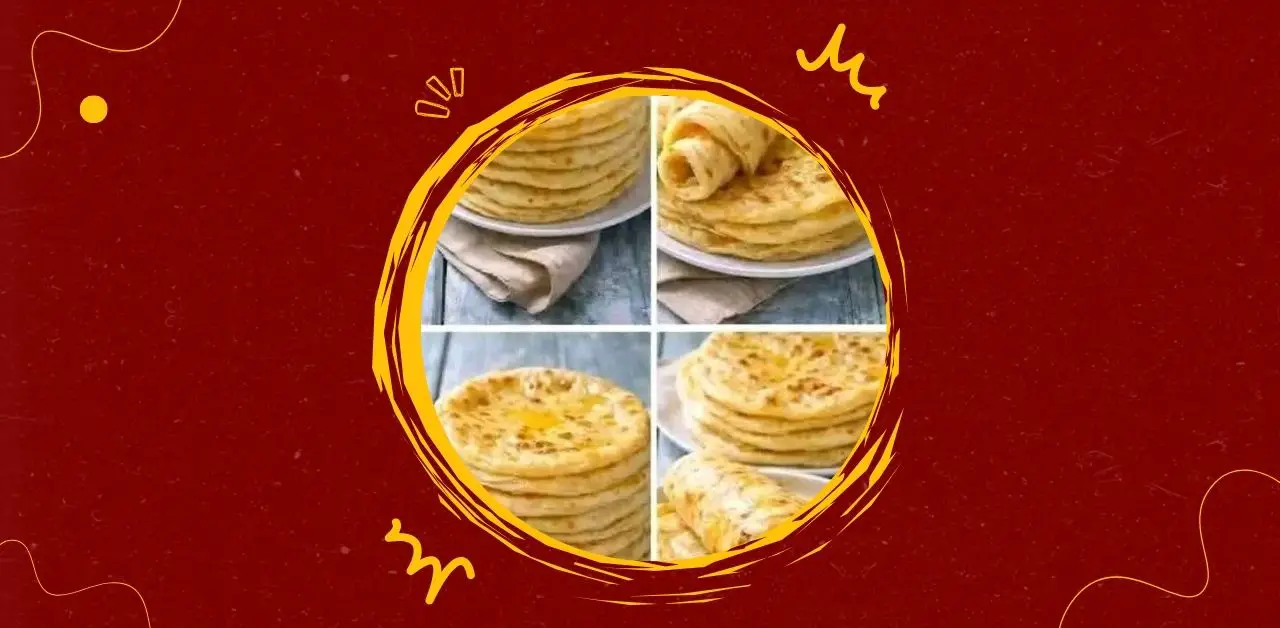
Classic Homemade Paratha is a traditional flatbread that has been cherished for generations across South Asia. Known for its golden-brown layers, soft interior, and slightly crisp exterior, paratha is a versatile dish that can be enjoyed at breakfast, lunch, or dinner. It pairs beautifully with curries, yogurt, pickles, or even a simple cup of tea.
The process of making paratha is both an art and a ritual. It involves kneading dough to the right consistency, rolling it into thin rounds, and cooking it on a hot griddle with ghee or oil until perfectly browned. Each paratha carries the warmth of home cooking, offering comfort and satisfaction in every bite.
INGREDIENTS:
- 2 cups whole wheat flour
- ½ teaspoon salt
- 2 tablespoons ghee or vegetable oil (for dough)
- ¾ cup water (adjust as needed)
- Additional ghee or oil for cooking
INSTRUCTION:
- Prepare the dough: In a large bowl, combine flour and salt. Add ghee or oil and mix until crumbly. Gradually add water, kneading until a soft, pliable dough forms. Cover and let rest for 20–30 minutes.
- Divide and roll: Divide dough into equal portions. Roll each portion into a ball, then flatten into a disc.
- Layering technique: Roll out a disc into a thin circle. Brush lightly with ghee, fold into a semi-circle, then fold again into a triangle. Roll gently to flatten. This layering creates the signature flaky texture.
- Heat the griddle: Place a flat pan or griddle (tawa) over medium heat.
- Cook the paratha: Place rolled paratha on the hot surface. Cook for 1–2 minutes until bubbles appear, then flip. Brush with ghee or oil and cook until golden brown spots form. Flip again, brushing lightly, and cook until both sides are crisp and golden.
- Repeat: Continue with remaining dough portions.
- Serve hot: Stack parathas and serve immediately with accompaniments of choice.
SERVINGS:
This recipe yields 6–8 parathas, depending on size and thickness.
NOTE:
- Flavor balance: Ghee adds richness, while whole wheat flour provides a nutty depth.
- Texture tip: Resting the dough ensures softness and easier rolling.
- Storage: Store cooked parathas in a covered container to keep them warm and soft. Refrigerate leftovers for up to 2 days and reheat on a skillet.
- Presentation: Serve stacked neatly with a small bowl of ghee or butter for dipping.
- Mindful preparation: Keep the griddle at medium heat to avoid burning while ensuring even cooking.
- Serving ritual: Enjoy with yogurt, pickles, or curry for a complete meal.
Final Thoughts
Classic Homemade Paratha is more than just bread—it is a symbol of tradition, comfort, and togetherness. The process of kneading, rolling, and cooking connects us to generations of home cooks who perfected this art. Each paratha carries the essence of care and hospitality, making it a dish that brings people together.
This recipe highlights the beauty of simplicity. With just flour, water, and ghee, you can create a flatbread that is both nourishing and indulgent. Whether served at breakfast with tea or alongside a hearty curry, paratha remains a timeless favorite that continues to warm hearts and homes.