
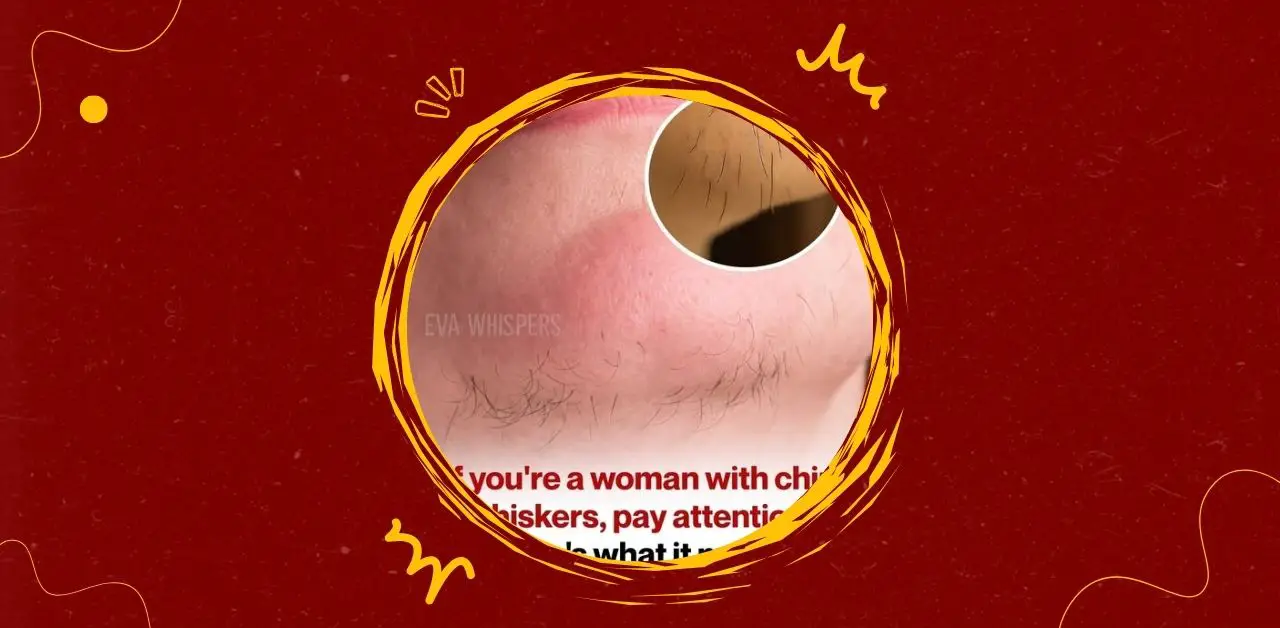
Hair growth is a natural process, and every individual experiences it differently. For women, the appearance of coarse hair on the chin can sometimes feel surprising or even concerning. However, this occurrence is more common than many realize and is often linked to natural variations in hormones, genetics, and age. Rather than being viewed negatively, chin hair can be understood as part of the body’s unique expression.
Why Chin Hair Appears
- Hormonal Balance Hormones play a central role in hair growth. Androgens, which are present in both men and women, can influence the growth of thicker hair in certain areas. Slight changes in hormone levels may lead to the appearance of chin whiskers.
- Genetic Influence Family traits often determine where and how hair grows. If close relatives experience chin hair, it is likely to appear in other family members as well.
- Age and Life Stages As women age, especially during midlife and beyond, hormonal shifts can make chin hair more noticeable. This is a natural part of the body’s transition and does not indicate anything harmful.
- Individual Variation Every person’s body has unique patterns. For some women, chin hair is simply part of their natural growth cycle, just as others may have more hair on arms or legs.
Approaches to Care
- Gentle Removal: Tweezing, threading, or waxing are common methods for managing chin hair. These approaches are safe when done carefully.
- Shaving: Some women prefer shaving for convenience. Modern razors designed for facial use make this option simple and effective.
- Natural Acceptance: Many women choose to embrace their chin hair as part of their individuality. Confidence often transforms how beauty is perceived.
- Professional Options: For those who prefer longer-term solutions, treatments such as laser hair removal or electrolysis can reduce hair growth.
Positive Perspective
Chin hair should not be seen as a flaw. Instead, it is a reminder of the body’s complexity and uniqueness. Beauty is not defined by the absence of hair but by confidence, self-care, and individuality. Women who experience chin whiskers are not alone—this is a shared experience across cultures and generations.
Conclusion
Chin hair in women is a natural occurrence influenced by hormones, genetics, and age. It can be managed in many ways, from simple home care to professional treatments, or embraced as part of one’s individuality. The most important aspect is perspective: seeing chin hair not as a problem but as a natural variation that reflects the diversity of human beauty.