
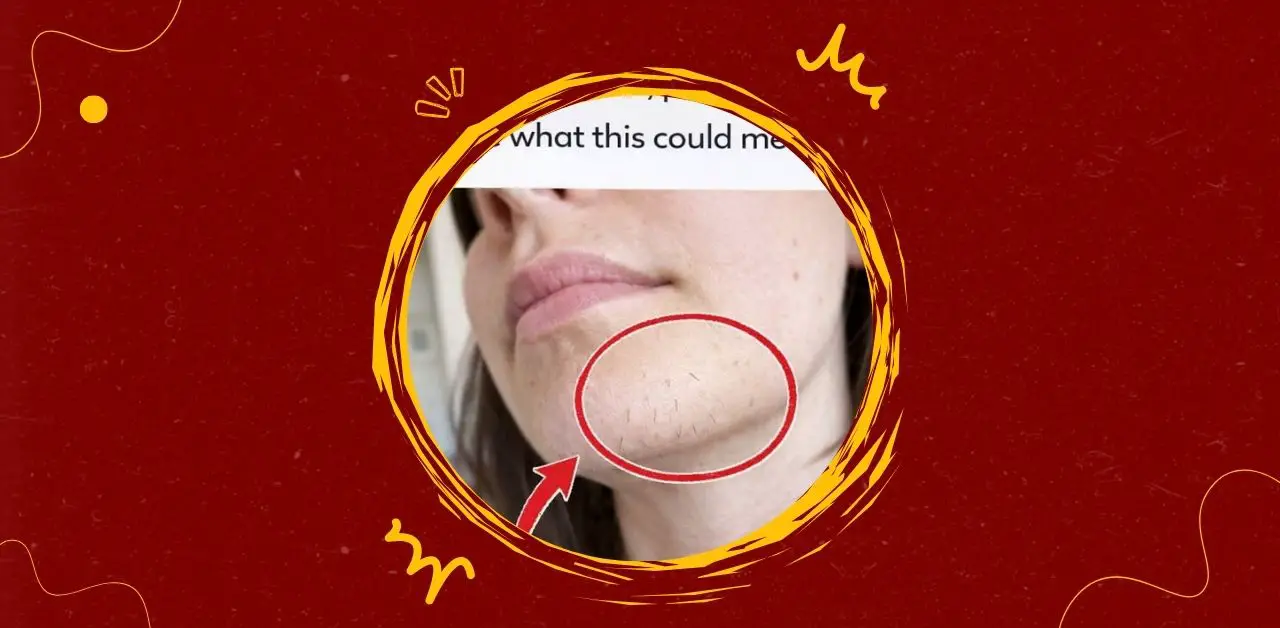
Chin hair in women is usually linked to hormonal changes, genetics, or medical conditions like polycystic ovary syndrome (PCOS). While a few stray hairs are common and often harmless, sudden or excessive growth can sometimes signal an underlying imbalance that may need medical evaluation.
🌸 Why Women Develop Chin Hair
Common Causes
- Hormonal fluctuations: Puberty, pregnancy, and menopause can all trigger changes in androgen levels, leading to facial hair growth.
- Genetics: Some women naturally have more facial hair due to family traits or ethnic background.
- Polycystic Ovary Syndrome (PCOS): A common endocrine condition that affects 5–15% of women of reproductive age, often causing irregular periods, acne, and excess facial hair.
- Aging: As estrogen levels decline with age, testosterone becomes more dominant, sometimes resulting in chin hair.
- Insulin resistance or diabetes: Can raise androgen levels, leading to increased facial hair.
- Cushing’s syndrome: Excess cortisol production may cause both facial hair growth and other symptoms like weight gain.
- Medications: Certain drugs, including steroids, chemotherapy, or epilepsy treatments, can cause hair growth as a side effect.
⚖️ When to Pay Attention
- Sudden increase in coarse, dark hair on the chin or jawline.
- Accompanying symptoms such as irregular periods, acne, weight changes, or hair loss on the scalp.
- Rapid changes in hair growth patterns, especially if paired with voice deepening or other hormonal signs.
If these occur, it’s wise to consult a healthcare professional for evaluation.
✨ Safe Removal Options
- Tweezing: Best for occasional stray hairs; always use clean tools.
- Threading or sugaring: Gentler alternatives to waxing, suitable for sensitive skin.
- Depilatory creams: Dissolve hair but may irritate skin—always patch test first.
- Laser hair removal: Long-term solution, especially effective for darker hair.
- Electrolysis: Permanent removal method, though more time-intensive.
- Bleaching: Lightens hair to make it less visible without removing it.
🌼 Emotional Impact
Unwanted facial hair can cause distress, affecting self-esteem and confidence. Studies show women with facial hair often spend significant time managing it, sometimes leading to anxiety or depression. Recognizing that chin hair is common—and often manageable—can help reduce the stigma.
✅ Key Takeaways
- A few chin hairs are normal and often linked to age or genetics.
- Excessive or sudden growth may indicate hormonal imbalance or conditions like PCOS.
- Safe removal methods range from tweezing to professional treatments like laser or electrolysis.
- Consult a doctor if hair growth is rapid, coarse, or accompanied by other symptoms.