
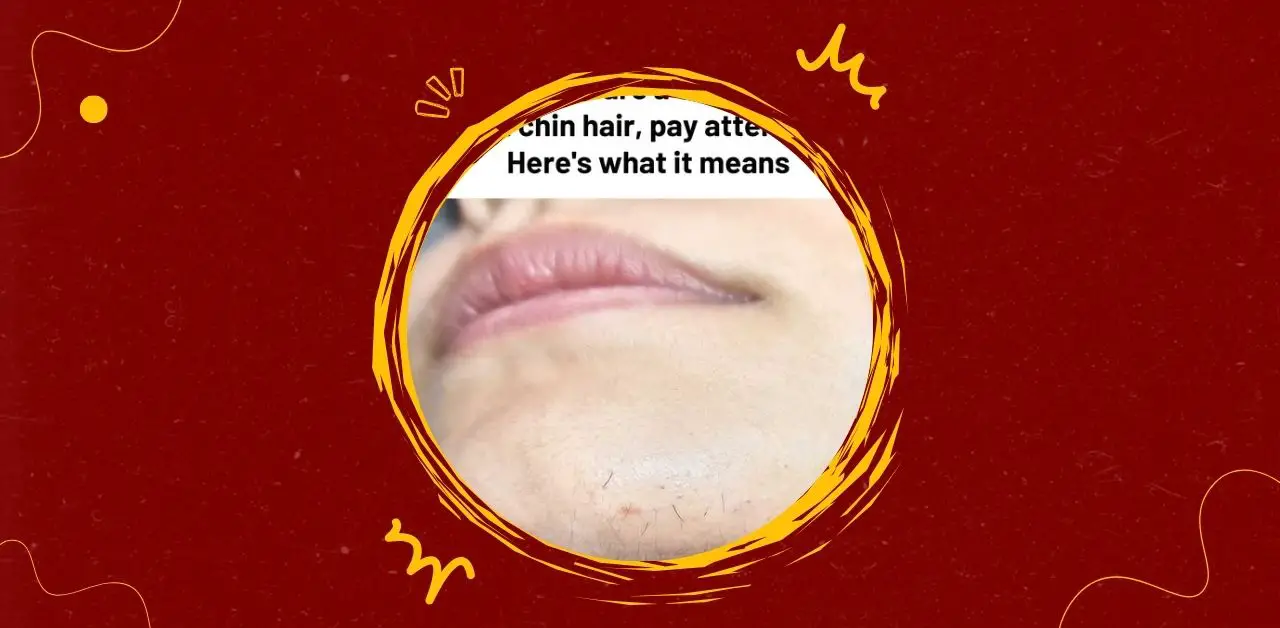
For many women, noticing chin hair can be surprising or even concerning. While it is often dismissed as a cosmetic issue, the presence of chin hair can sometimes reflect underlying biological processes. Understanding why chin hair appears, what it may signify, and how to manage it can help reduce worry and encourage a more informed approach to personal health.
Why Chin Hair Appears
Chin hair in women is usually linked to a combination of genetics and hormones. Testosterone, a hormone present in both men and women, plays a role in hair growth. When hormone levels shift, even slightly, hair may appear in areas such as the chin or jawline. This is particularly common during certain life stages, such as puberty, pregnancy, or menopause.
Common Causes
- Aging: As women age, estrogen levels decline, and testosterone can have a stronger influence, leading to facial hair growth.
- Hormonal Imbalance: Conditions that affect hormone levels, such as thyroid disorders or adrenal issues, may contribute to chin hair.
- Polycystic Ovary Syndrome (PCOS): A common condition that can cause irregular periods, acne, and excess hair growth due to elevated androgen levels.
- Genetics: Family history plays a role; some women are simply more predisposed to facial hair growth.
- Medical Conditions: Rare conditions such as Cushing’s syndrome or congenital adrenal hyperplasia can also cause excess hair.
- Medications: Certain drugs that influence hormones may trigger facial hair growth.
When to Pay Attention
Occasional chin hairs are normal and often harmless. However, if you notice a sudden increase in coarse, dark hair on the chin, jawline, or other areas, it may be worth consulting a healthcare professional. Excessive hair growth, known as hirsutism, can sometimes signal an underlying condition that requires medical attention.
Management Options
- Hair Removal Methods: Tweezing, waxing, threading, or laser treatments can help manage unwanted hair.
- Medical Treatments: If chin hair is linked to hormonal imbalance or PCOS, doctors may recommend medication to regulate hormones.
- Lifestyle Approaches: Maintaining a healthy weight, balanced diet, and managing stress can support hormonal balance.
Final Thought
Chin hair in women is far more common than many realize. While it can be a source of frustration, it is often a normal part of hormonal changes and aging. In some cases, however, it may signal an underlying health issue. Understanding the causes and knowing when to seek medical advice can help women manage chin hair confidently and safely.