
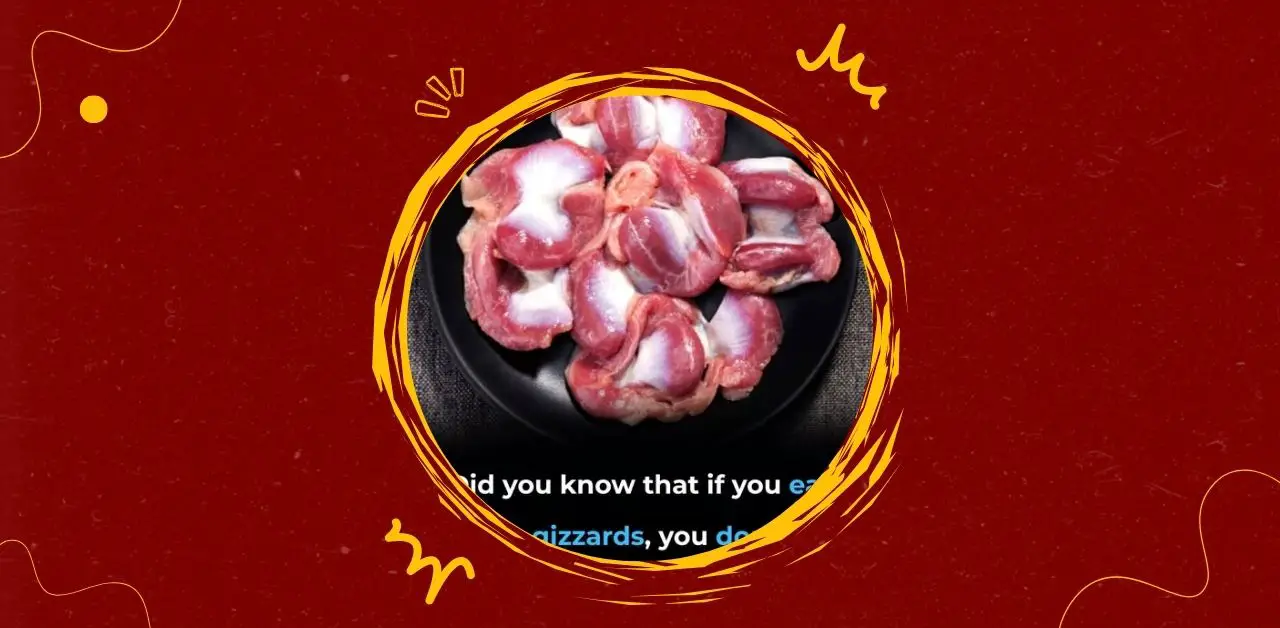
Chicken gizzards are often overlooked, yet they are a staple in many traditional cuisines around the world. These small, muscular organs play a vital role in a chicken’s digestion, and when prepared properly, they offer both flavor and nutrition. For those seeking affordable, nutrient-rich foods, gizzards can be a surprisingly powerful addition to the diet.
Nutritional Value of Chicken Gizzards
- Protein Powerhouse: Gizzards are packed with lean protein, supporting muscle strength and repair.
- Rich in Vitamins: They contain vitamin B12, niacin, and riboflavin, which help with energy production and brain function.
- Mineral Content: Iron, zinc, and phosphorus are abundant, supporting blood health and immunity.
- Low in Fat: Compared to many other organ meats, gizzards are relatively lean, making them a healthier choice.
Health Benefits
- Supports Energy Levels
- The iron and B vitamins in gizzards help combat fatigue and keep energy steady.
- Promotes Muscle Strength
- High protein content makes them excellent for maintaining muscle mass, especially important as we age.
- Boosts Immunity
- Zinc and other minerals strengthen the immune system, helping the body fight off everyday challenges.
- Supports Digestion
- Their nutrient profile aids in maintaining a healthy metabolism and digestive function.
Culinary Uses
- Stews and Curries: Gizzards absorb spices beautifully, making them ideal for slow-cooked dishes.
- Grilled or Fried: With proper marination, they become tender and flavorful.
- Soups: Adding gizzards to broth enriches both taste and nutrition.
- Rice Dishes: Popular in many cultures, gizzards pair well with rice and vegetables.
Preparation Tips
- Clean thoroughly: Rinse well before cooking.
- Tenderize: Simmer gently for 30–40 minutes before grilling or frying to soften the texture.
- Flavor boost: Marinate with garlic, ginger, and spices for depth of taste.
Conclusion
Chicken gizzards may be humble, but they are nutrient-dense, affordable, and versatile. They provide protein, vitamins, and minerals that support energy, immunity, and muscle health. Far from being just a byproduct, they are a culinary treasure that can enrich both traditional and modern meals.