
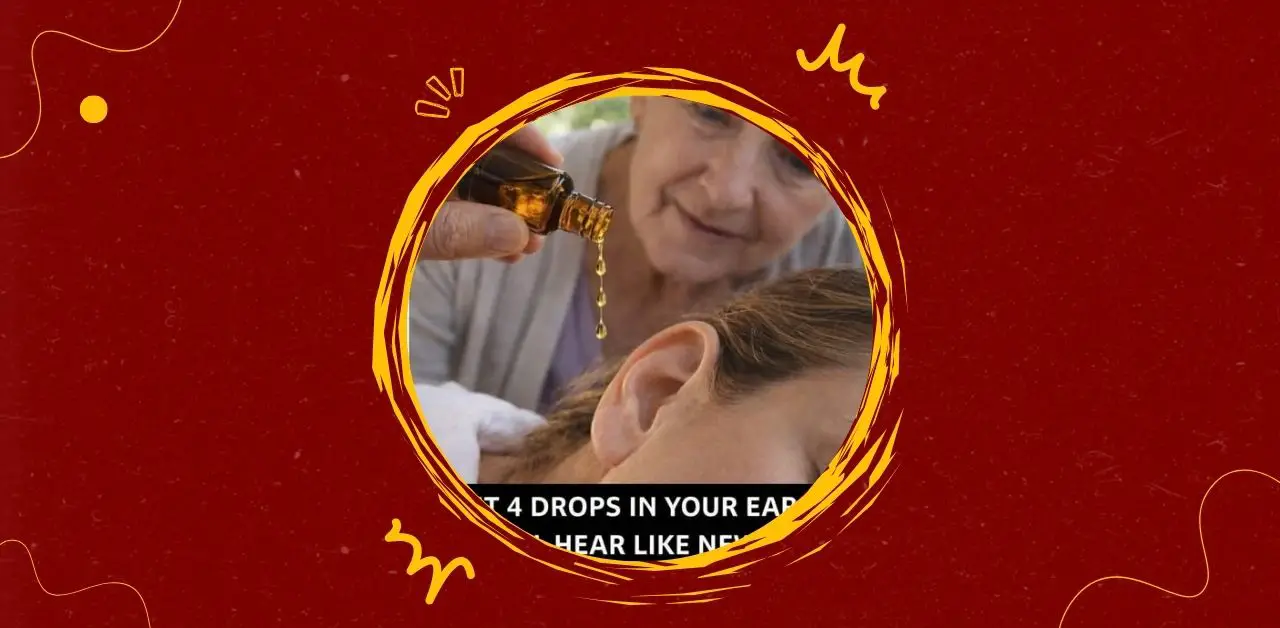
Hearing loss is a common issue, especially as people age. Many home remedies circulate claiming that a few drops of a certain liquid can “restore hearing like new.” While the idea sounds appealing, it’s important to understand what causes hearing difficulties, how ear drops actually work, and what realistic benefits they can provide. This article explores the science behind ear health, the role of drops, and safe practices for maintaining hearing.
🔬 Why Hearing Loss Happens
Hearing difficulties can arise from several causes, including:
- Earwax buildup: Hardened wax can block sound waves, leading to muffled hearing.
- Middle ear infections: Fluid buildup or inflammation can temporarily reduce hearing.
- Age-related changes: The inner ear’s sensory cells naturally decline over time.
- Noise damage: Prolonged exposure to loud sounds can permanently harm hearing.
- Underlying medical conditions: Diabetes, cardiovascular issues, or certain medications can affect auditory function.
Understanding the root cause is essential before assuming that drops alone can solve the problem.
💧 What Ear Drops Actually Do
Ear drops are typically designed for specific purposes:
- Wax-softening drops: Made with oils or mild solutions, they loosen hardened earwax so it can be flushed out naturally.
- Antibiotic drops: Prescribed for bacterial ear infections, reducing inflammation and restoring normal hearing once the infection clears.
- Moisturizing drops: Help soothe dry or irritated ear canals.
These drops can improve hearing if the problem is temporary and related to wax or infection, but they cannot regenerate damaged inner ear cells or reverse age-related hearing loss.
🌱 The Appeal of Home Remedies
Many traditional remedies suggest using natural oils (like olive oil or garlic-infused oil) in the ear. While some oils can soften wax, others may irritate the ear canal or introduce infection if not sterile. The promise of “hearing like new again” often oversimplifies the complex nature of hearing health.
🥼 Safe Practices for Ear Care
- Consult a professional: If hearing loss is sudden, persistent, or severe, seek medical advice.
- Use drops correctly: Follow instructions carefully, and avoid overuse.
- Avoid inserting objects: Cotton swabs or sharp tools can push wax deeper or damage the ear canal.
- Keep ears dry: Excess moisture can encourage infection.
- Regular check-ups: Especially important for older adults or those exposed to loud environments.
⚖️ The Limits of Ear Drops
It’s important to set realistic expectations. Ear drops can:
- Relieve discomfort from wax or mild infection.
- Improve clarity of hearing when blockage is removed.
But they cannot:
- Repair nerve damage.
- Restore hearing lost due to aging or prolonged noise exposure.
- Replace medical treatments like hearing aids or surgery.
Conclusion
The idea of “four drops to hear like new again” is appealing but oversimplified. Ear drops can be helpful in specific situations—particularly when wax or infection is the culprit—but they are not a universal cure for hearing loss. True restoration depends on identifying the underlying cause and, in many cases, seeking professional care. Maintaining ear health through safe practices, regular check-ups, and realistic expectations is the best way to preserve hearing over time.