
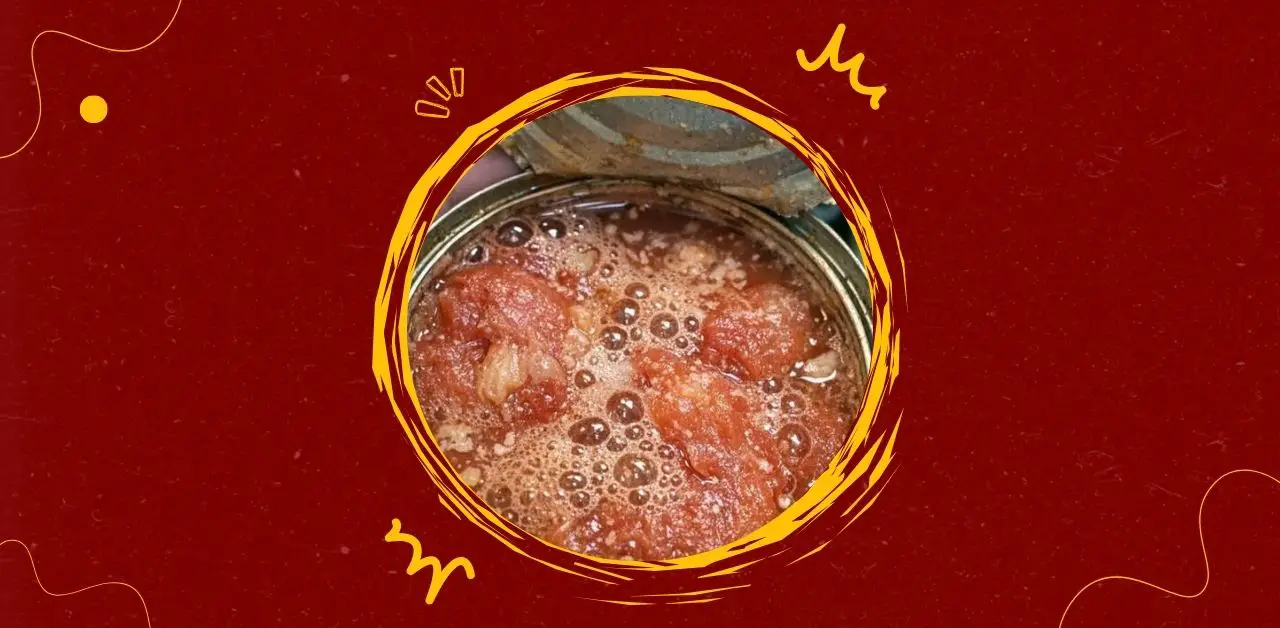
Opening a can of tomatoes and immediately noticing bubbles rising to the surface can be alarming. While canned foods are designed to be shelf-stable and safe, the presence of bubbles often signals that something is not right. Understanding whether this is fermentation or spoilage requires looking at how canned foods behave, what causes bubbling, and what it means for safety.
Why Bubbles Appear
- Gas release from microbial activity: The most common reason for bubbles in canned tomatoes is microbial growth. When bacteria or yeast multiply inside a sealed can, they produce gases such as carbon dioxide. These gases escape as bubbles once the can is opened.
- Fermentation vs. spoilage: Fermentation is a controlled process where microorganisms are intentionally used to preserve or flavor food. Spoilage, on the other hand, is uncontrolled microbial growth that makes food unsafe. In canned tomatoes, bubbles are not a sign of healthy fermentation but of spoilage.
- Chemical reactions: In rare cases, bubbles may form due to natural chemical reactions between acids in tomatoes and the can lining. However, this is much less common than microbial contamination.
Signs of Spoilage
- Unusual odor: Spoiled canned tomatoes often have a sour, rancid, or off smell.
- Texture changes: The liquid may appear foamy, slimy, or separated.
- Bulging can: If the can was swollen before opening, that is a strong indicator of gas buildup from microbial activity.
- Immediate bubbling: Seeing bubbles rise right after opening is a red flag that the contents are not safe to consume.
Safety Concerns
Spoiled canned foods can harbor harmful bacteria, including Clostridium botulinum, which produces toxins that are dangerous even in small amounts. While not all bubbling means botulism, the risk is significant enough that any suspicious can should be discarded. Eating spoiled canned tomatoes can cause foodborne illness, ranging from stomach upset to severe poisoning.
What To Do
- Do not taste: Never taste canned food that shows signs of bubbling, odor, or discoloration.
- Dispose safely: Seal the contents in a bag and discard them to prevent accidental consumption.
- Check storage: Spoilage can occur if cans are stored in hot, humid conditions or if the can was damaged. Always store canned goods in a cool, dry place.
- Inspect before use: Look for bulging, rust, or leaks before opening any canned product.
Conclusion
If you open canned tomatoes and see bubbles rising immediately, it is almost certainly a sign of spoilage rather than fermentation. Unlike intentional fermentation, which is carefully controlled, bubbling in canned goods indicates unwanted microbial activity. The safest course of action is to discard the can without tasting or using its contents. Food safety should always come first, and when in doubt, it is better to throw it out than risk illness.