
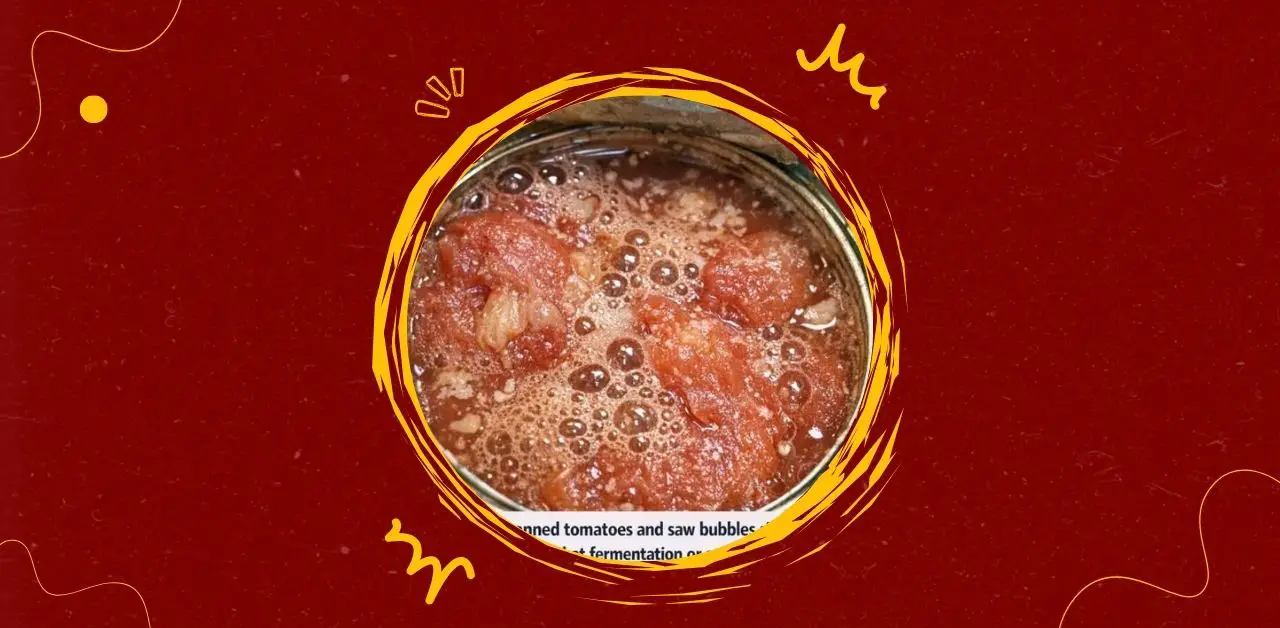
Canned foods are designed to be shelf-stable, safe, and convenient. However, sometimes when opening a can, unexpected signs appear—such as bubbles rising immediately from the contents. This can be alarming, especially with acidic foods like tomatoes. Understanding whether bubbles indicate harmless gas release or dangerous spoilage is essential for protecting health.
Why Bubbles Appear
- Gas from Microbial Activity: The most common reason for bubbles in canned tomatoes is microbial growth. Bacteria or yeast inside the can produce carbon dioxide, which escapes as bubbles when the can is opened.
- Fermentation: If yeast or lactic acid bacteria are present, the tomatoes may undergo fermentation. This process creates gas and changes flavor, but in canned goods it signals contamination and unsafe storage.
- Spoilage: Harmful bacteria can also produce gas. Spoiled canned food often shows bubbling, off odors, discoloration, or changes in texture.
- Rust or Seal Damage: A rusted lid or compromised seal allows air and microbes to enter, leading to spoilage and bubbling.
Signs of Spoilage Beyond Bubbles
- Unpleasant Odor: Sour, rancid, or metallic smells indicate contamination.
- Discoloration: Tomatoes may appear darker, cloudy, or slimy.
- Swollen Can: A bulging lid or sides suggest gas buildup inside before opening.
- Texture Changes: Mushy or separated contents are a warning sign.
Food Safety Risks
- Botulism: Though rare, improperly canned foods can harbor Clostridium botulinum, a dangerous bacterium that produces toxins without obvious signs.
- Digestive Illness: Spoiled tomatoes may contain bacteria that cause nausea, vomiting, or diarrhea.
- Chemical Contamination: Rust or corrosion on the lid can leach into food, making it unsafe.
What To Do If You See Bubbles
- Do Not Taste: Never sample food that shows signs of spoilage.
- Discard Safely: Seal the contents in a bag and dispose of them to prevent accidental consumption.
- Check Other Cans: If part of a batch, inspect other cans for damage or spoilage.
- Review Storage: Ensure canned goods are stored in a cool, dry place away from direct sunlight.
Prevention Tips
- Inspect Before Buying: Avoid cans with dents, rust, or swelling.
- Rotate Stock: Use older cans first to prevent long-term storage issues.
- Proper Handling: Once opened, transfer leftovers to a clean container and refrigerate promptly.
- Home Canning Safety: If canning at home, follow tested recipes and sterilization methods to prevent contamination.
Conclusion
Bubbles in canned tomatoes are not a normal occurrence—they usually signal fermentation or spoilage caused by microbial activity. While fermentation in fresh foods can be intentional and safe, in canned goods it indicates contamination and potential health risks. The safest response is to discard the product immediately. Food safety depends on vigilance, and recognizing warning signs like bubbling ensures that meals remain both delicious and safe.