
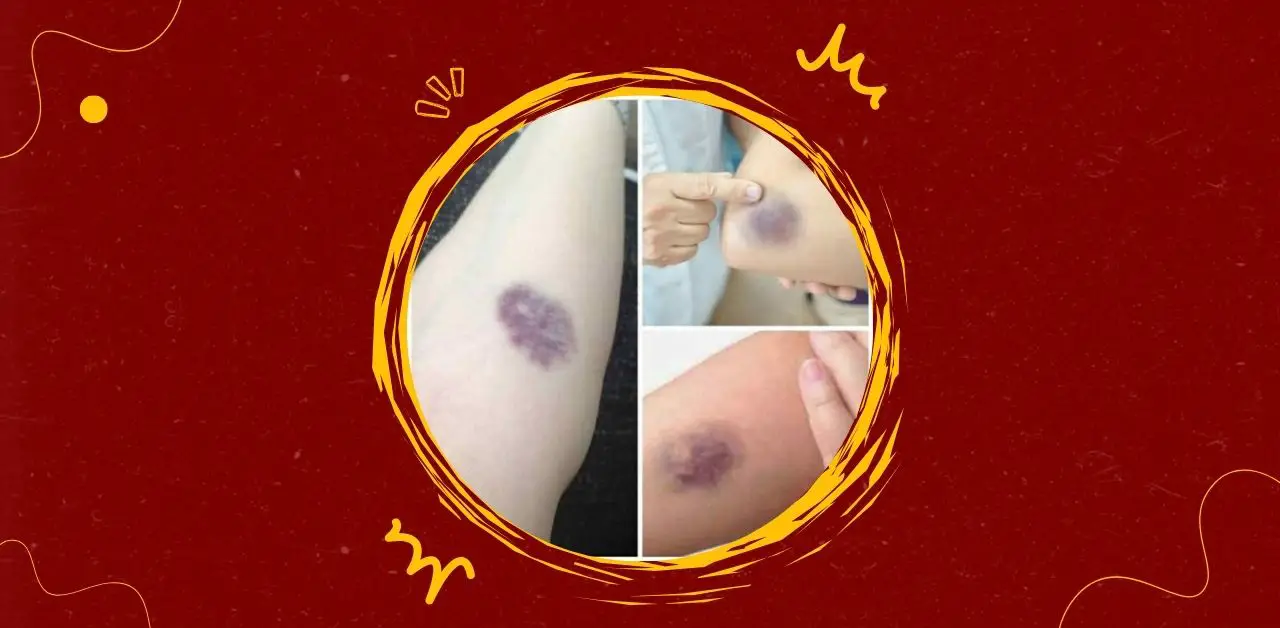
Bruises are one of the most common minor injuries, appearing as discolored patches on the skin after trauma. They occur when small blood vessels beneath the skin break, allowing blood to leak into surrounding tissues. The result is a visible mark that changes color as the body heals. While bruises are usually harmless and resolve on their own, they can sometimes indicate underlying issues or require closer attention.
What Causes Bruises?
Bruises typically form after a bump, fall, or impact that damages capillaries under the skin. The leaked blood pools beneath the surface, creating a dark mark. Common causes include:
- Accidental knocks or falls.
- Sports or physical activity.
- Medical procedures such as injections or blood draws.
- Certain medications that thin the blood.
Appearance and Stages
Bruises change color as they heal, reflecting the breakdown of blood under the skin:
- Red or purple: Fresh bruise, blood pooling beneath the surface.
- Blue or dark purple: Within a day or two, as oxygen supply decreases.
- Green: After several days, as hemoglobin breaks down.
- Yellow or brown: Final stage before fading completely.
This progression usually takes 1–2 weeks, depending on the severity of the bruise and individual healing factors.
Risk Factors
Some people bruise more easily due to:
- Age, as skin and blood vessels become more fragile.
- Medications such as aspirin or anticoagulants.
- Nutritional deficiencies, particularly vitamin C or vitamin K.
- Medical conditions affecting blood clotting.
Care and Management
Most bruises heal naturally without treatment. However, simple steps can ease discomfort and speed recovery:
- Cold compress: Apply ice wrapped in a cloth for 10–15 minutes to reduce swelling.
- Elevation: Raise the affected area to minimize blood flow and pooling.
- Rest: Avoid further strain on the injured area.
- Warm compress: After 48 hours, gentle heat can promote circulation and healing.
When to Seek Medical Advice
While bruises are usually harmless, medical attention may be needed if:
- Bruises appear frequently without clear cause.
- They are unusually large or painful.
- They occur alongside other symptoms such as swelling or difficulty moving the joint.
- They do not improve after several weeks.
Conclusion
Bruises are a natural response to minor trauma, reflecting the body’s healing process. Their changing colors tell the story of recovery, from fresh injury to complete resolution. While most bruises require little more than patience and simple care, paying attention to unusual patterns or persistent marks ensures that any underlying issues are addressed. By understanding their causes and stages, bruises can be seen not only as signs of injury but also as reminders of the body’s resilience.