
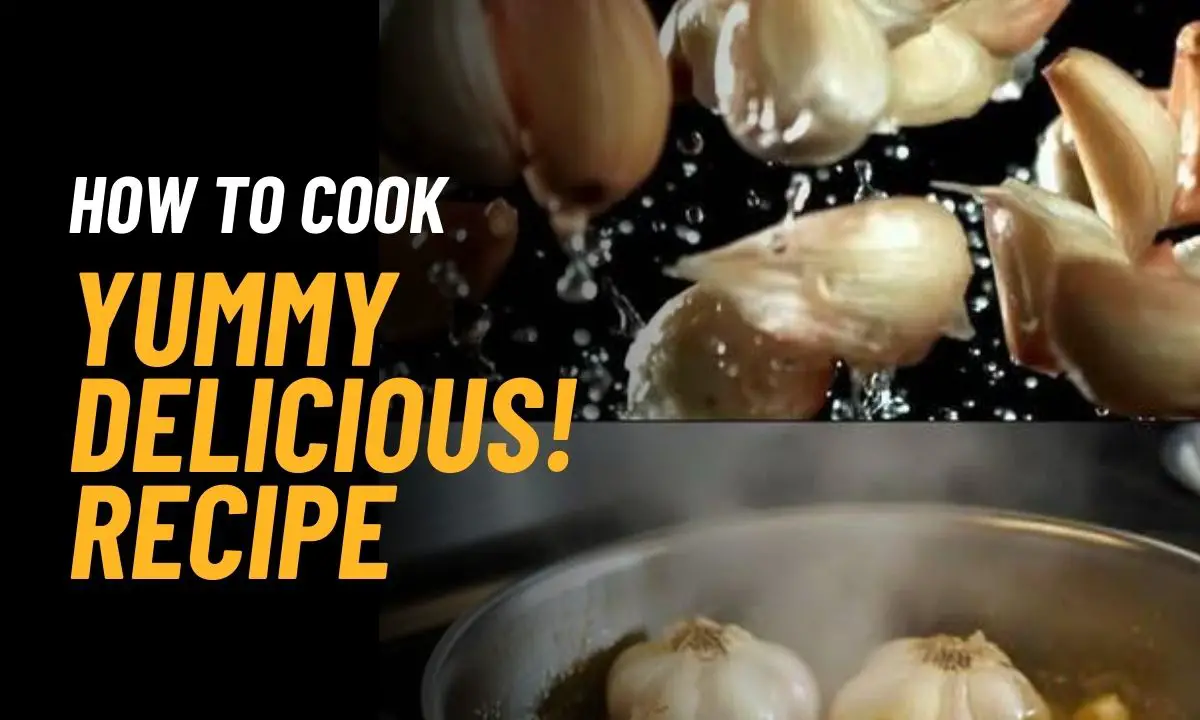
Boiled garlic is a traditional preparation that highlights the natural flavor and aroma of garlic while softening its sharp bite. When garlic is boiled, its pungency mellows into a gentle sweetness, and the cloves become tender, almost creamy. This makes boiled garlic versatile: it can be eaten as a side dish, mashed into spreads, or incorporated into soups and stews. Across cultures, garlic has long been valued not only for its culinary uses but also for its symbolic association with vitality and wellness. This recipe focuses on the cooking process itself, offering a straightforward way to prepare garlic that can be enjoyed on its own or used as a base for other dishes.
Ingredients
- 2 whole garlic bulbs (outer skin removed, cloves left intact)
- 4–5 cups water
- ½ tsp salt (optional)
- 1 tbsp olive oil (optional, for flavor)
- Fresh herbs such as parsley or thyme (optional garnish)
Instructions
- Prepare garlic: Remove the outer papery layers of the garlic bulbs, but keep the cloves attached to the bulb. Rinse thoroughly.
- Boil water: In a medium pot, bring water to a rolling boil. Add salt if desired.
- Add garlic: Place the garlic bulbs into the boiling water. Reduce heat to medium and let simmer.
- Cook until tender: Allow the garlic to boil for 15–20 minutes, or until the cloves are soft when pierced with a fork.
- Drain and serve: Remove garlic from the pot. Drizzle with olive oil and sprinkle with herbs if desired. Serve warm.
Notes
- Texture: Boiled garlic becomes soft and spreadable, perfect for spreading on bread or mixing into mashed potatoes.
- Flavor variations: Add bay leaves or peppercorns to the boiling water for subtle seasoning.
- Storage: Boiled garlic can be refrigerated in an airtight container for up to 3 days.
- Usage: Use boiled garlic as a base for sauces, soups, or dips.
Garlic is one of the most beloved ingredients in kitchens worldwide. Known for its bold flavor and distinctive aroma, it is often used to enhance savory dishes. While raw garlic has a sharp, pungent taste, boiling transforms it into something entirely different. The process softens the cloves, reduces their intensity, and brings out a mild sweetness that makes them enjoyable even on their own.
Boiling garlic is a simple technique that requires minimal effort. By placing whole bulbs in simmering water, the cloves gradually soften, their flavors mellowing as they cook. This preparation is particularly useful for those who find raw garlic too strong but still want to enjoy its essence. The softened cloves can be eaten directly, mashed into spreads, or incorporated into recipes where a gentler garlic flavor is desired.
The transformation of garlic through boiling is not only culinary but also cultural. In many traditions, garlic is associated with strength, protection, and vitality. Its use in soups and broths often symbolizes nourishment and comfort. Boiled garlic, with its tender texture and subtle flavor, fits perfectly into this narrative, offering both taste and a sense of warmth.
From a practical standpoint, boiled garlic is versatile. Once cooked, the cloves can be spread onto bread like butter, creating a rustic snack. They can also be mashed into dips, blended into sauces, or stirred into mashed potatoes for added depth. In soups and stews, boiled garlic dissolves easily, enriching the broth without overpowering other ingredients.
The recipe itself is highly adaptable. Adding herbs such as parsley, thyme, or rosemary to the boiling water infuses the garlic with additional layers of flavor. A drizzle of olive oil after cooking enhances richness, while a sprinkle of salt balances the natural sweetness. For those who enjoy experimenting, spices like bay leaves or peppercorns can be added to the pot, creating subtle variations.
Boiled garlic also pairs beautifully with other foods. It can be served alongside roasted meats, grilled vegetables, or rice dishes. Its mild flavor complements rather than dominates, making it a versatile companion. In vegetarian cooking, boiled garlic can be used to create creamy spreads or added to legumes for extra depth.
Storage is straightforward: boiled garlic can be kept in the refrigerator for a few days, making it easy to prepare in advance. This allows home cooks to have a ready supply of softened garlic for quick use in meals.