
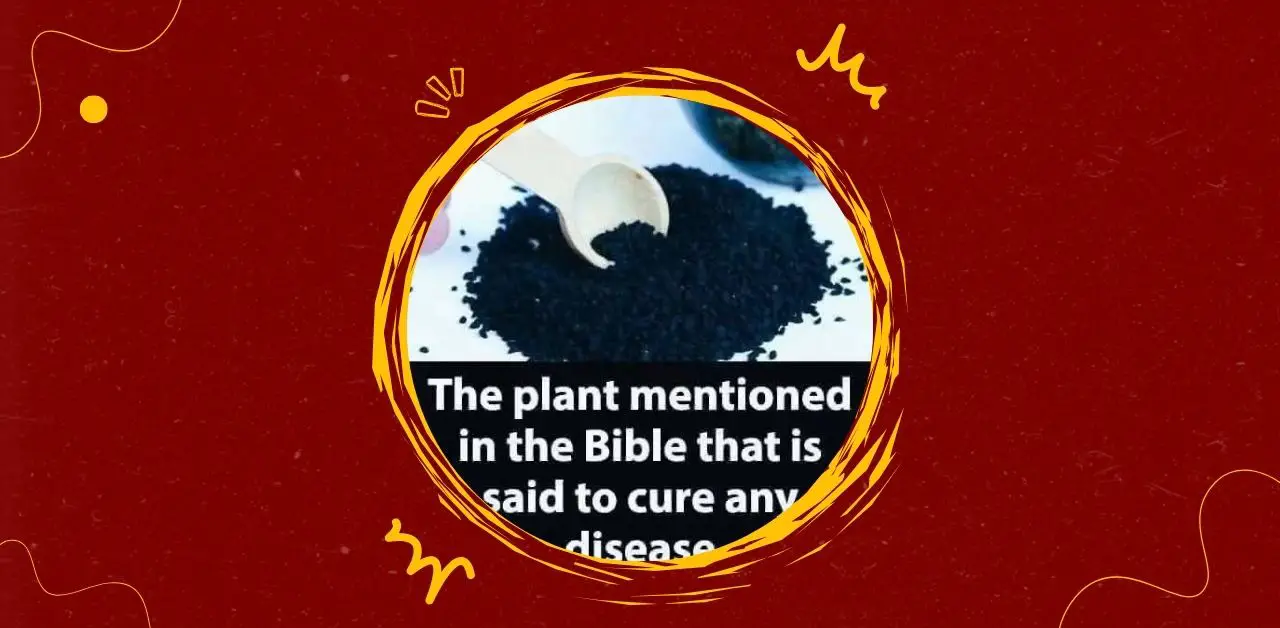
Among the many plants revered in traditional medicine, few carry the weight of history and belief quite like black seed, also known as Nigella sativa. These tiny, jet-black seeds have been celebrated for centuries in cultures across the Middle East, Asia, and Africa. Often referred to as “the seed of blessing,” they are mentioned in religious texts and praised in folklore for their remarkable healing potential. Today, black seed continues to intrigue both herbalists and scientists, bridging the gap between ancient wisdom and modern exploration.
Historical Significance
Black seed’s reputation is deeply rooted in tradition. Ancient civilizations used it not only as a spice but also as a remedy for a wide range of ailments. Its mention in sacred texts elevated its status, making it a symbol of divine healing. For generations, families passed down recipes and remedies involving black seed, believing it could strengthen the body, ward off illness, and restore balance. This cultural reverence has ensured its survival as a staple in herbal medicine cabinets worldwide.
Nutritional and Medicinal Properties
Despite their small size, black seeds are packed with bioactive compounds. The most notable is thymoquinone, a powerful antioxidant and anti-inflammatory agent. These compounds are believed to support the immune system, protect cells from oxidative stress, and promote overall wellness. Black seeds also contain essential fatty acids, proteins, and minerals, making them nutritionally dense. Their bitter, peppery flavor adds depth to culinary dishes, but their true value lies in their medicinal potential.
Digestive Health
One of the most common traditional uses of black seed is for digestive support. Consuming the seeds or their oil is believed to ease bloating, indigestion, and gas. Their natural compounds may help regulate gut function, soothe inflammation, and encourage healthy microbial balance. In many households, black seed tea or oil is a go-to remedy for stomach discomfort, offering gentle relief without synthetic additives.
Immune Support and General Wellness
Black seed has long been associated with strengthening the body’s defenses. Its antioxidant properties help neutralize harmful free radicals, while its anti-inflammatory effects may reduce the burden of chronic conditions. Many traditional practices recommend black seed oil during seasonal changes to ward off colds and flu. While not a cure-all, its consistent use is thought to enhance resilience and vitality.
Liver and Metabolic Benefits
Traditional healers often highlight black seed’s role in supporting liver health. By aiding detoxification and improving fat metabolism, it is believed to help prevent conditions like fatty liver. Its compounds may also contribute to regulating blood sugar and cholesterol levels, making it a valuable ally in maintaining metabolic balance. Though scientific research is ongoing, these traditional claims continue to inspire interest in black seed’s therapeutic potential.
Methods of Use
Black seed can be consumed in several forms:
- Whole seeds: Sprinkled on bread, salads, or mixed into honey.
- Oil: Taken in small doses or applied topically for skin and hair care.
- Tea or infusion: Steeped seeds create a warming, aromatic drink.
Moderation is key, as the seeds are potent. A teaspoon of seeds or a few drops of oil daily is often considered sufficient in traditional practices.
Cultural and Spiritual Meaning
Beyond its medicinal qualities, black seed carries symbolic weight. Its mention in sacred texts has made it a plant of faith and trust, often seen as a divine gift for healing. In many communities, offering black seed remedies is an act of care and devotion, reinforcing bonds and passing down wisdom through generations.
Conclusion
Black seed stands as a testament to the enduring power of natural remedies. With its rich history, potent compounds, and cultural significance, it continues to inspire both reverence and scientific curiosity. Whether used to ease digestion, support immunity, or simply as a flavorful addition to meals, black seed embodies the harmony between tradition and modern wellness. Its legacy reminds us that sometimes, the smallest seeds carry the greatest promise.