
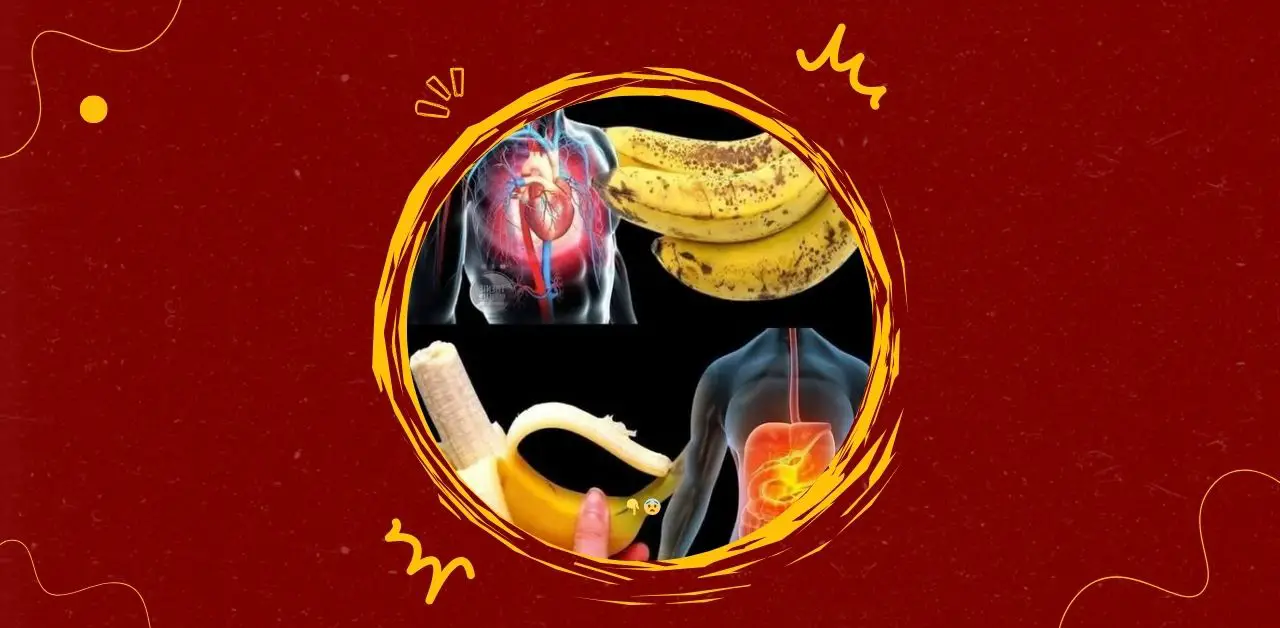
Bananas are among the most widely consumed fruits in the world, valued for their sweet flavor, convenient form, and impressive nutritional profile. Beyond being a quick snack, bananas contribute to overall health in meaningful ways, particularly in supporting cardiovascular function and digestive balance. Their combination of vitamins, minerals, and dietary fiber makes them a versatile food that can be enjoyed daily.
Nutritional Composition
Bananas are rich in essential nutrients that directly influence health:
- Potassium: A key mineral that helps regulate blood pressure and supports heart function.
- Vitamin B6: Important for metabolism and the production of neurotransmitters.
- Vitamin C: Provides antioxidant protection and supports immune health.
- Magnesium: Contributes to muscle function and cardiovascular stability.
- Dietary Fiber: Aids digestion and helps maintain healthy bowel movements.
This nutrient balance makes bananas both energizing and restorative, ideal for people of all ages.
Heart Health Benefits
Potassium is the standout nutrient in bananas, and its role in cardiovascular health is well established. Adequate potassium intake helps counteract the effects of sodium, reducing blood pressure and lowering the risk of stroke. Bananas also contain magnesium, which supports the rhythm of the heart and prevents irregularities. The antioxidants present in bananas, including vitamin C and dopamine, help reduce oxidative stress, further protecting blood vessels and heart tissue.
Regular consumption of bananas can therefore contribute to maintaining healthy blood pressure, supporting circulation, and reducing strain on the cardiovascular system.
Digestive Support
Bananas are equally beneficial for digestion. Their dietary fiber, particularly soluble fiber, helps regulate bowel movements and prevent constipation. Bananas also contain resistant starch, especially when slightly underripe, which acts as a prebiotic by feeding beneficial gut bacteria. This supports a balanced microbiome, which is essential for nutrient absorption and overall digestive health.
Additionally, bananas are gentle on the stomach, making them a common recommendation for individuals recovering from illness or dealing with digestive discomfort. Their natural sweetness and soft texture make them easy to digest, while their nutrients help restore balance.
Energy and Mood
Bananas provide natural sugars—fructose, glucose, and sucrose—that deliver quick energy. Combined with fiber, this energy release is steady rather than abrupt, making bananas an excellent choice before physical activity. Vitamin B6 in bananas also supports the production of serotonin, a neurotransmitter that influences mood and emotional well-being.
Practical Ways to Enjoy Bananas
- As a snack: Eaten fresh, they are portable and satisfying.
- In smoothies: Blended with other fruits, they add creaminess and natural sweetness.
- With breakfast: Sliced over oatmeal, cereal, or yogurt for added nutrition.
- For recovery: Consumed after exercise to replenish electrolytes and energy.
Conclusion
Bananas are more than a convenient fruit; they are a powerhouse of nutrients that support both heart and digestive health. Their potassium content helps regulate blood pressure and protect cardiovascular function, while their fiber and prebiotic properties promote a healthy digestive system. Combined with their role in energy and mood regulation, bananas stand out as a simple, accessible food with profound benefits. Incorporating them into daily meals is an easy way to enhance wellness and enjoy the natural advantages of this versatile fruit.