
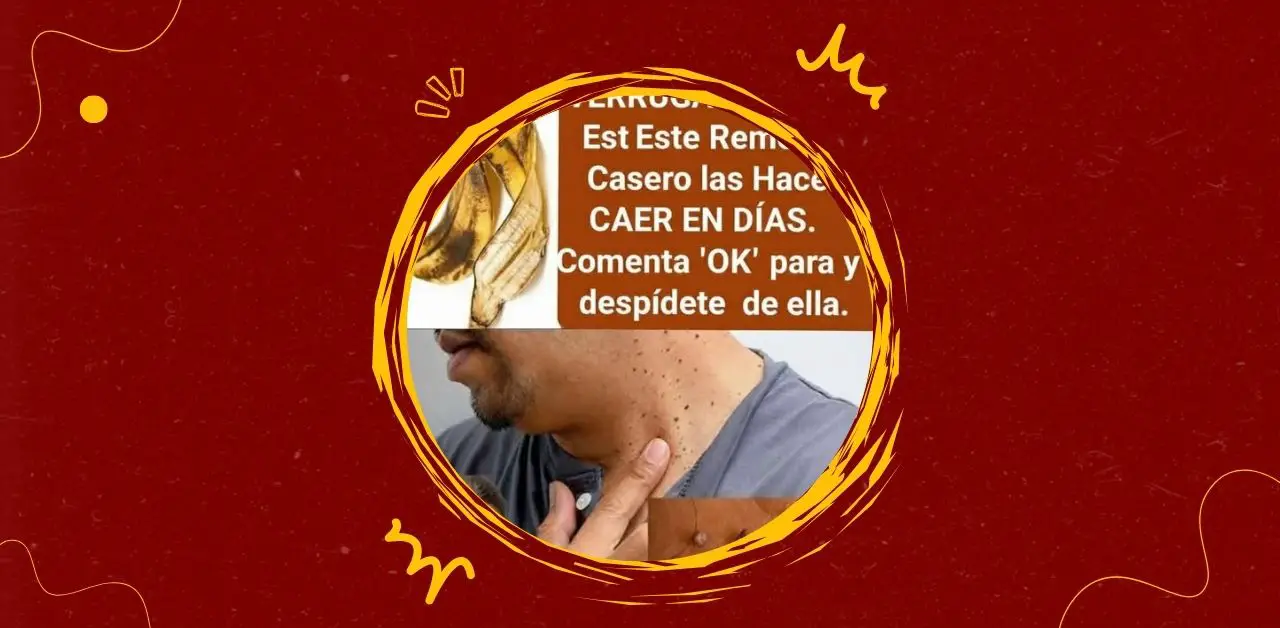
Warts are small, rough growths on the skin caused by certain strains of the human papillomavirus (HPV). They are common, often harmless, but can be bothersome or cosmetically unwanted. Over centuries, people have turned to natural remedies to treat them, and one of the most popular is the use of banana peel. The claim is that applying banana peel to warts can make them “fall off like leaves.” But what does this mean, and how does it work?
Why Banana Peel?
Banana peel contains natural compounds such as antioxidants, enzymes, and mild acids. These are believed to soften the skin and create an environment that may help the body shed the wart over time. The peel also has a soothing texture, which makes it easy to apply directly to the skin.
Traditional medicine often highlights banana peel as a gentle, accessible option compared to harsher chemical treatments. It is inexpensive, widely available, and non-invasive.
How the Remedy Is Used
The typical method involves:
- Cutting a small piece of banana peel.
- Placing the inner side of the peel directly against the wart.
- Securing it with tape or a bandage.
- Leaving it on for several hours or overnight.
- Repeating daily until the wart softens and eventually falls away.
The idea is that the peel’s natural compounds gradually weaken the wart’s structure, allowing the body to shed it.
Potential Benefits
- Accessibility: Bananas are available everywhere, making this remedy easy to try.
- Gentleness: Unlike chemical treatments, banana peel is unlikely to cause irritation.
- Tradition: Many people find comfort in natural remedies passed down through generations.
- Moisturizing effect: The peel may soften surrounding skin, making the wart less noticeable.
Limitations
- Scientific evidence: There is limited clinical research proving banana peel’s effectiveness against warts. Most claims are anecdotal.
- Timeframe: Results, if any, may take weeks or longer.
- Not universal: Some warts may not respond at all, especially larger or stubborn ones.
- Underlying cause: Since warts are viral, removing the surface growth does not eliminate HPV from the body.
Safety Considerations
Banana peel is generally safe to use, but it should not replace medical care in serious cases. If warts are painful, spreading, or located in sensitive areas, professional evaluation is important. Persistent warts may require treatments such as cryotherapy, salicylic acid, or laser removal.
Psychological Dimension
Part of the appeal of banana peel lies in its simplicity. Using a natural, everyday item to solve a problem feels empowering and aligns with a desire for holistic living. It also reflects a broader cultural trend of turning to natural remedies as alternatives to pharmaceuticals. Even if the results vary, the act of trying a gentle, traditional method can provide comfort and a sense of control.
Conclusion
Banana peel as a wart remedy is a fascinating example of how everyday items are repurposed in traditional medicine. While scientific support is limited, many people swear by its effectiveness. At the very least, it is a safe, inexpensive option to try, provided one understands its limitations. Warts may or may not “fall off like leaves,” but the practice highlights the enduring human desire to find simple, natural solutions to common health concerns.