
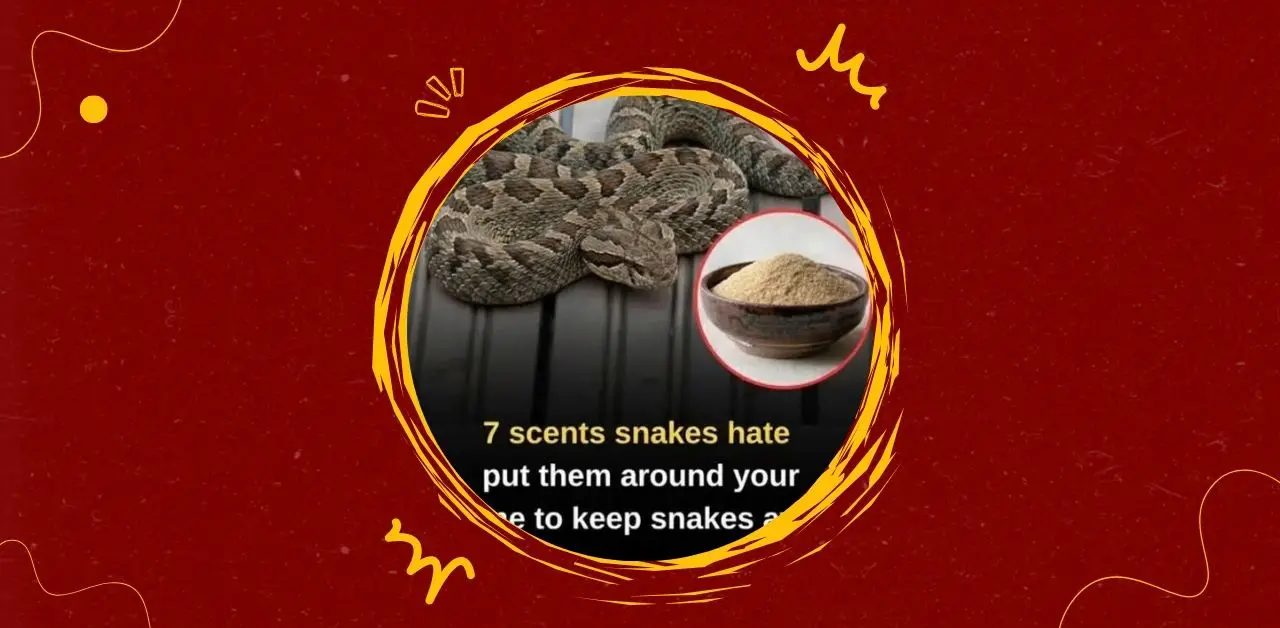
Snakes rely heavily on their sense of smell, and certain strong scents can overwhelm or repel them. While no single scent guarantees complete protection, using natural repellents like cinnamon, clove oil, garlic, onion, vinegar, and ammonia around your home can discourage snakes from lingering.
How Snakes Detect Smells
- Snakes use a specialized organ called the Jacobson’s organ.
- When they flick their tongues, they collect scent particles from the air and transfer them to this organ.
- Strong or unpleasant odors can disrupt this process, making the area less attractive.
Practical Application Tips
- Target Entry Points: Spray or place repellents near cracks, foundations, and garden edges.
- Combine with Prevention: Keep grass trimmed, remove debris, and seal gaps in walls.
- Rotate Scents: Snakes may adapt; alternating repellents increases effectiveness.
- Safety First: Avoid overuse of harsh chemicals like ammonia indoors.
Limitations and Risks
- Not 100% Effective: Scents discourage snakes but won’t guarantee they stay away.
- Environmental Factors: Rain or wind can dilute or wash away repellents.
- Pets & Children: Some substances (like ammonia or lime) can be harmful if touched or inhaled.
Conclusion
Using scents snakes dislike—such as cinnamon, clove oil, garlic, vinegar, and ammonia—can help reduce encounters around your home. However, the most effective strategy is combining these repellents with good yard maintenance, sealing entry points, and removing food sources. Think of scents as a supportive measure rather than a complete solution.