
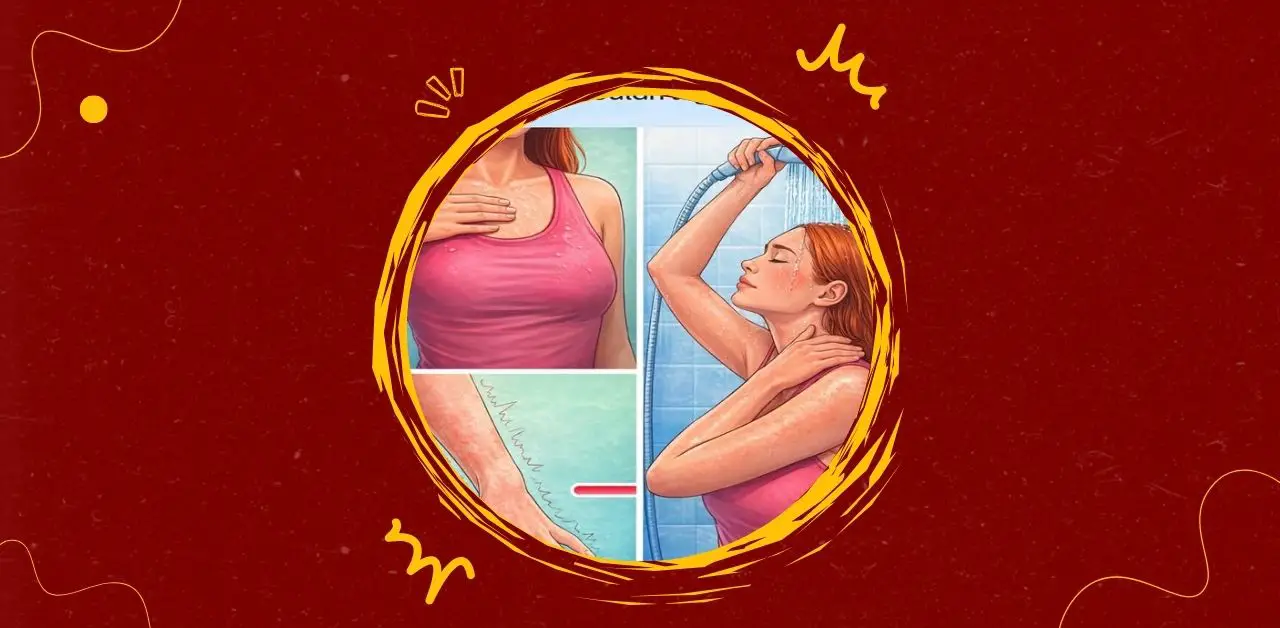
Menopause is a natural stage in life, marking the end of a woman’s reproductive years. While it typically occurs between ages 45 and 55, the transition often begins earlier, in what’s called perimenopause. During this time, hormonal changes can trigger a variety of symptoms—some subtle, others more noticeable. Recognizing these early signs helps women prepare physically and emotionally, while also encouraging proactive conversations with healthcare providers.
🔑 The Early Signs
1. Hot Flashes and Night Sweats
Sudden waves of heat, often accompanied by sweating and flushed skin, are among the most common early indicators. They may strike during the day or disrupt sleep at night.
2. Irregular Periods
Cycles may become shorter, longer, heavier, or lighter. Skipped periods are also common as hormone levels fluctuate.
3. Sleep Disturbances
Difficulty falling asleep, frequent waking, or restless nights often accompany hormonal shifts. Night sweats can worsen this issue.
4. Mood Changes
Irritability, anxiety, or sudden mood swings may appear. These changes are linked to fluctuating estrogen and progesterone levels.
5. Vaginal Dryness
Reduced estrogen can cause dryness, itching, or discomfort, especially during intimacy.
6. Decreased Libido
Shifts in hormones, combined with physical changes, may reduce sexual desire.
7. Memory Lapses and Difficulty Concentrating
Some women notice “brain fog,” forgetfulness, or trouble focusing during perimenopause.
8. Tingling or Numbness in Extremities
Hormonal changes can sometimes cause unusual sensations in the hands, arms, or legs.
9. Weight Gain and Slowed Metabolism
Changes in body composition, particularly around the abdomen, are common as metabolism adjusts.
10. Hair and Skin Changes
Thinning hair, dry skin, or changes in texture may signal declining hormone levels.
🛠️ Coping Strategies
- Lifestyle Adjustments: Balanced nutrition, regular exercise, and stress management can ease symptoms.
- Sleep Hygiene: Keeping a cool bedroom, limiting caffeine, and maintaining a consistent sleep schedule help combat insomnia.
- Hydration and Skincare: Drinking water and using gentle moisturizers can reduce dryness.
- Open Communication: Talking with healthcare providers ensures symptoms are managed safely and effectively.
🌟 Conclusion
Menopause is not a sudden event but a gradual transition. Early signs—whether hot flashes, mood changes, or tingling sensations—are signals from the body that change is underway. While these symptoms can be uncomfortable, they are part of a natural process. Recognizing them early allows women to adapt with confidence, seek support when needed, and embrace this stage of life as a new chapter of strength and resilience.