
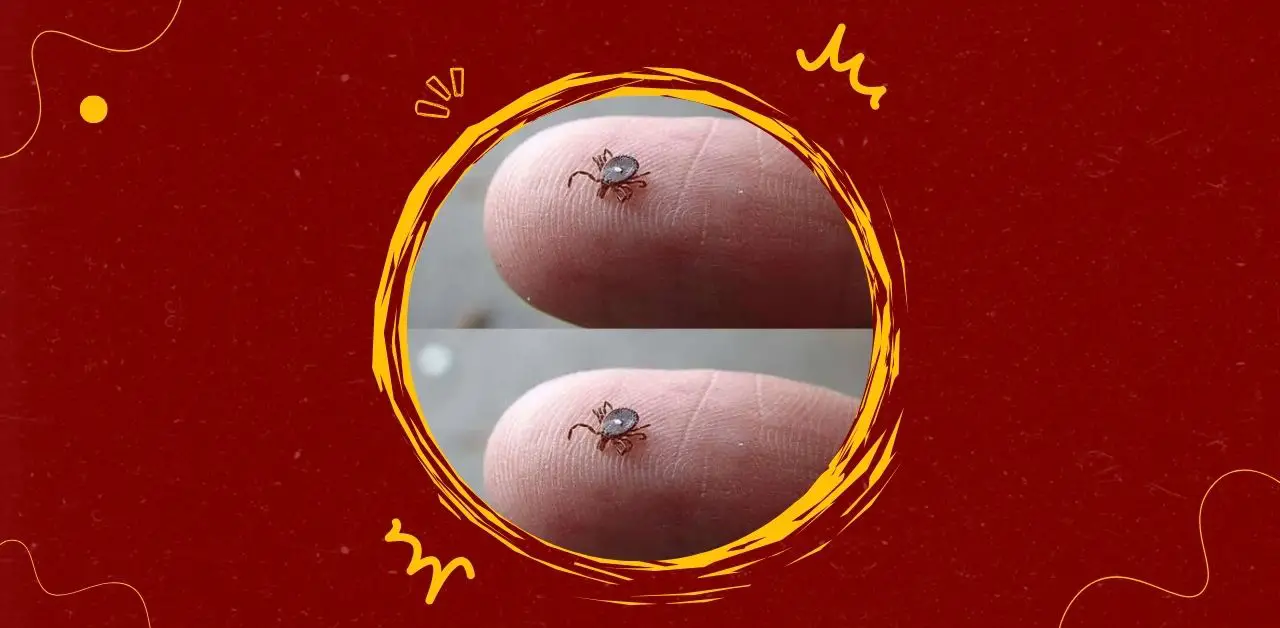
Finding a small, unfamiliar insect on your child after a walk in the woods can be alarming. The creature you described—a tiny brown tick with a noticeable white spot—is most likely a type of tick known as the lone star tick (Amblyomma americanum). Ticks are parasitic arachnids that feed on blood, and while most bites are harmless, some species can transmit illnesses. Knowing what you’re dealing with is the first step toward protecting your family.
Identifying the Lone Star Tick
Ticks vary in appearance depending on species, age, and sex. The lone star tick is distinctive because:
- Adult females have a single white or silvery spot on their backs, which is why they’re called “lone star.”
- Adult males may have scattered white streaks or spots instead of one central mark.
- They are small, often no larger than a sesame seed before feeding, but can swell significantly after consuming blood.
This white spot is not unusual—it’s a natural marking of the species and not a sign of disease in the tick itself.
Where They Are Found
Lone star ticks are common in wooded areas, grassy fields, and places with dense vegetation. They are especially active in warmer months and are known for being aggressive feeders, often attaching quickly when someone passes through their habitat.
Health Concerns Linked to Ticks
Ticks can transmit pathogens through their bites. The lone star tick, in particular, has been associated with:
- Ehrlichiosis: A bacterial infection causing fever, headache, and muscle aches.
- Tularemia: A rare bacterial illness that can cause skin ulcers and swollen lymph nodes.
- Southern tick-associated rash illness (STARI): A condition with symptoms similar to Lyme disease, though generally milder.
- Alpha-gal syndrome: A unique allergic reaction to red meat, triggered by a sugar molecule introduced through the tick’s bite.
It’s important to note that not every tick carries these pathogens, and not every bite leads to illness.
What To Do If You Find a Tick
- Remove it promptly: Use fine-tipped tweezers to grasp the tick close to the skin and pull upward steadily. Avoid twisting or crushing the tick.
- Clean the area: Wash the bite site with soap and water, then apply antiseptic.
- Dispose of the tick safely: Place it in alcohol or seal it in a bag before discarding.
- Monitor for symptoms: Watch for fever, rash, fatigue, or unusual allergic reactions in the days and weeks following the bite.
Prevention Tips
- Wear long sleeves and pants when walking in wooded or grassy areas.
- Use insect repellents containing DEET or permethrin.
- Check yourself and children thoroughly after outdoor activities, paying attention to hidden areas like behind the ears, underarms, and knees.
- Keep lawns trimmed and reduce leaf litter around your home to minimize tick habitats.
Conclusion
The tick you found with a white spot is most likely a lone star tick, a species known for its distinctive marking and potential to transmit certain illnesses. While the sight of it can be unsettling, prompt removal and careful monitoring are usually enough to prevent complications. Most tick bites do not result in serious health problems, but awareness and prevention are key. By staying informed and vigilant, you can protect your family and enjoy outdoor activities with greater peace of mind.
Would you like me to also create a step-by-step illustrated guide showing how to safely remove ticks and check for bites after outdoor activities? That could make this information even more practical for everyday use.